You Won’t Believe What I Ate in Rotorua – A Food Adventure Like No Other
Ever tasted food cooked by geothermal steam? In Rotorua, New Zealand, I did – and it changed how I see cuisine forever. This vibrant town isn’t just about bubbling mud pools and stunning lakes; it’s a living kitchen where Māori traditions meet earth-powered cooking. From hangi feasts to farm-fresh markets, every bite tells a story. The scent of sulfur in the air is not just a sign of volcanic activity—it’s a signal that you’ve entered a place where nature and nourishment are deeply intertwined. Here, meals are not prepared in ovens but in the breath of the Earth itself. If you think you know food travel, Rotorua will surprise you.
Arrival in Rotorua: First Impressions That Surprise
Stepping off the shuttle bus into the warm afternoon air of Rotorua, the first thing that greets visitors is not a sight, but a smell—earthy, sharp, faintly reminiscent of boiled eggs. This unmistakable aroma comes from hydrogen sulfide gas, released naturally by the region’s active geothermal system. Rather than being off-putting, it serves as an olfactory welcome mat, signaling that this is no ordinary destination. Around every corner, steam rises gently from cracks in the pavement, curling upward like whispers from the Earth’s core. Fumaroles vent hot air in quiet hisses, and bubbling mud pools pop and gurgle with slow, rhythmic persistence. It’s a landscape alive with energy—energy that powers homes, heats greenhouses, and, most remarkably, cooks food.
The town itself sits nestled beside the expansive Lake Rotorua, its waters shimmering under the sun, framed by rolling hills dotted with native bush. The urban center blends modern amenities with cultural markers—carved wooden posts, bilingual signage in English and te reo Māori, and public art that reflects the area’s deep connection to its indigenous roots. Locals move with a relaxed pace, offering warm smiles and genuine welcomes. There’s a sense of pride here, not just in the natural wonders but in the way life has adapted to them. And central to that adaptation is food. From the moment one arrives, it becomes clear that Rotorua’s cuisine is not separate from its environment—it is shaped by it.
What sets Rotorua apart from other culinary destinations is the immediacy of the connection between land and plate. In many places, farm-to-table is a marketing phrase; here, it’s a lived reality. Vegetables grow in mineral-rich soils warmed by underground heat, chickens peck near steaming vents, and freshwater fish thrive in geothermally influenced lakes. Even the bread at local bakeries sometimes benefits from naturally heated proofing rooms. This integration of geothermal forces into daily life creates a unique sensory experience that begins long before the first meal. Travelers quickly realize they are not just visiting a town—they are entering a living ecosystem where food is part of a much larger story of resilience, tradition, and natural harmony.
The Heart of Māori Cuisine: Understanding Hangi
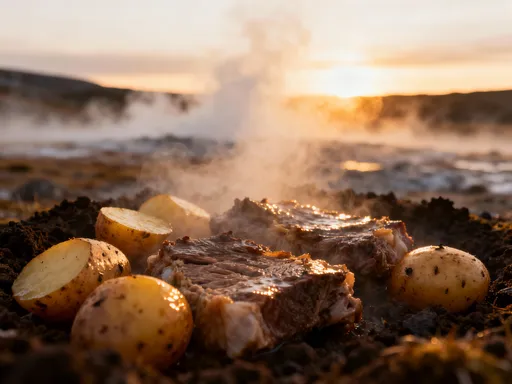
At the core of Māori culinary tradition lies the hangi—a method of cooking that has sustained communities for centuries and remains a powerful symbol of cultural identity today. More than just a way to prepare food, the hangi is a ritual, a gathering, and a testament to patience and respect for natural resources. The process begins early in the morning, often before sunrise, when a pit is dug into the earth. Volcanic rocks are heated over a wood fire until they glow red-hot, then carefully arranged at the bottom of the pit. Once the flames die down, the food—typically whole chickens, lamb shoulders, root vegetables like kūmara (Māori sweet potato), pumpkin, and cabbage—is wrapped in cloth or banana leaves and layered over the stones.
Then comes the sealing: wet sacks or mats are placed over the food, followed by earth, trapping the heat and steam within. The entire oven is left undisturbed for three to four hours, allowing the food to cook slowly in its own juices, infused with smoky, earthy flavors. When the mound is finally opened, a cloud of aromatic steam rises, carrying with it the rich scent of slow-cooked meat and caramelized vegetables. The unveiling feels ceremonial, a moment of shared anticipation that draws everyone closer.
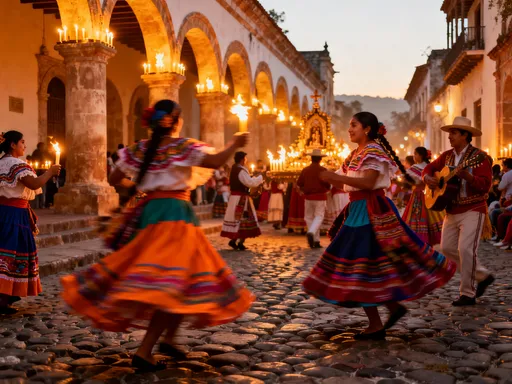
Participating in a hangi dinner was one of the most moving experiences of my journey. I was invited to a community marae, a sacred meeting ground, where elders welcomed us with a pōwhiri, a traditional Māori welcome involving song, chant, and the hongi—the pressing of noses and foreheads in greeting. As we sat cross-legged on woven mats, the elders explained the significance of the hangi: it is not merely about sustenance, but about unity. Every step of the process involves cooperation—gathering wood, tending the fire, preparing ingredients, and sharing the meal. There are no individual portions; food is served communally, reinforcing the value of whānau, or family, in its broadest sense.
When the food was served, the textures were unlike anything I’d tasted before. The meats were fall-off-the-bone tender, their flavors deepened by the mineral-rich steam and subtle smoke. The kūmara had absorbed the essence of the earth, its sweetness balanced by a faint umami depth. Even the cabbage, often a humble side dish, emerged transformed—soft, fragrant, and layered with complexity. But more than the taste, it was the atmosphere that stayed with me. Laughter echoed under the rafters, children passed bowls with careful hands, and stories flowed as freely as the kava, a mild herbal drink served to honor guests. In that moment, I understood that the hangi is not just a meal—it is a living tradition, a bridge between past and present, and a powerful expression of hospitality.
From Earth to Plate: Geothermal Cooking Experiences
While the hangi showcases the cultural depth of earth-cooked food, Rotorua also offers more accessible, hands-on ways to experience geothermal cuisine. At sites like Hell’s Gate (Tikitere) and Wai-O-Tapu Thermal Wonderland, visitors can witness—and even participate in—modern demonstrations of how natural steam is used to prepare simple dishes. These locations are not just tourist attractions; they are educational spaces where the relationship between land and food is made visible, tangible, and delicious.
At Hell’s Gate, one of the most active geothermal parks in the region, I watched as staff lowered wire baskets filled with eggs into a steaming pool. Within 20 minutes, they emerged perfectly hard-boiled, their shells stained a pale brown by the mineral-rich water. Guests are invited to try them on-site, and the flavor is subtly different—cleaner, richer, with a slight sulfur note that dissipates upon chewing. It’s a small taste, but it carries a big message: here, the Earth does the work. Nearby, bread dough is placed in wooden boxes and set atop natural steam vents, rising and baking slowly without any artificial heat. The result is a rustic loaf with a chewy crust and a moist, slightly tangy crumb—a true reflection of place.
These experiences are more than novelty; they reflect a sustainable philosophy that has deep roots in Māori worldview. The concept of kaitiakitanga—guardianship of the environment—is central to how many locals interact with the land. Using geothermal energy for cooking is not just practical; it’s an act of respect. It minimizes reliance on fossil fuels, reduces waste, and aligns human activity with natural cycles. In a world increasingly concerned with carbon footprints and climate change, Rotorua offers a model of low-impact living that feels both ancient and urgently modern.
For travelers, these geothermal cooking demonstrations provide a unique opportunity to engage with science and culture simultaneously. Children giggle as they hold warm eggs fresh from the Earth, while adults ponder the ingenuity of a system that requires no electricity, no gas, just careful observation and timing. Some guided tours even allow participants to prepare their own small meals using the steam vents, under the supervision of local guides who share stories of how their ancestors used similar methods. It’s experiential learning at its finest—delicious, memorable, and deeply grounding.
Rotorua’s Local Markets: Flavors of the Region
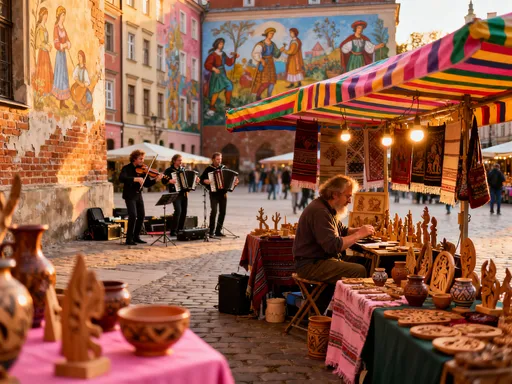
Beyond the ceremonial and the dramatic, the everyday food culture of Rotorua thrives in its local markets. Every Saturday morning, the Rotorua Night Market transforms Tutanekai Street into a bustling hub of color, aroma, and sound. Though called a “night market,” it begins in the late afternoon and carries on into the evening, drawing families, tourists, and local residents alike. Stalls line the pedestrian walkway, offering everything from handmade crafts to live music—but it’s the food that draws the longest lines.
Here, the regional ingredients take center stage. Vendors proudly display baskets of kūmara in shades of orange, purple, and gold, explaining how the volcanic soil enhances their sweetness. Freshwater fish from Lake Rotorua—especially trout and eel—are filleted on-site, their glistening flesh a testament to the lake’s clean waters. Artisanal honey, harvested from hives placed near native mānuka and rātā trees, is sold in small jars, each labeled with the apiarist’s name and the location of the hive. One vendor, a third-generation beekeeper, shared how the geothermal warmth extends the flowering season, allowing bees to forage longer and produce a richer, more complex honey.
Other staples of the Māori diet appear in creative forms: rewena bread, made with a fermented potato starter, is offered warm from the oven, its slightly sour aroma mingling with the smell of roasting corn. Boiled puddings wrapped in cloth, filled with dried fruit and spices, nod to colonial influences blended with local tastes. And everywhere, there are cups of hot soup—kale and kūmara, pork and puha (a native leafy green)—served in compostable bowls to be enjoyed while strolling.
What makes these markets special is not just the quality of the food, but the human connection. Vendors remember regular customers by name, offer samples with genuine enthusiasm, and take time to explain where their ingredients come from. A young farmer from Ngongotahā Valley spoke proudly of his free-range chickens, raised on a small plot warmed by underground heat. “They’re happier birds,” he said with a smile. “And happy birds make better meat.” These interactions transform shopping into storytelling, reinforcing the idea that food is not just fuel, but a reflection of place, care, and community.
Modern Twists on Traditional Tastes
While tradition remains strong in Rotorua, a new generation of chefs is reimagining Māori cuisine for contemporary palates. These culinary innovators are not replacing the old ways but building upon them, blending indigenous ingredients with global techniques to create dishes that are both familiar and surprising. The result is a vibrant food scene that honors heritage while embracing evolution.
One standout example is a restaurant located just outside the city center, where the chef—a Māori woman trained in French cuisine—serves a dish that has become locally legendary: horopito-crusted lamb with kawakawa-infused jus. Horopito, a native shrub with peppery leaves, adds a spicy kick reminiscent of black pepper but with a more floral finish. Kawakawa, related to the kava plant, contributes a warm, earthy note that complements the richness of the meat. Served alongside roasted kūmara puree and pickled puha, the dish is a masterclass in balance—bold yet refined, rooted yet adventurous.
Another chef has revived the use of huhu grubs—not for shock value, but as a sustainable protein source. Traditionally eaten by Māori, these large beetle larvae are now served pan-seared with a lemon-thyme butter, their nutty flavor appealing even to skeptical diners. “It’s not about being exotic,” the chef explained during a tasting event. “It’s about reconnecting with what our land provides naturally, before supermarkets existed.”
Bakeries, too, are innovating. One popular spot offers rewena bread burgers—yes, burgers served on fermented potato buns—with fillings like slow-cooked beef brisket and native watercress. Another serves horopito shortbread with mānuka honey ice cream, a dessert that has become a must-try for visitors. These creations do not dilute tradition; they celebrate it in new forms, making it accessible to younger generations and international guests alike.
What unites these modern interpretations is a deep respect for origin. Chefs often source ingredients directly from Māori-owned farms, acknowledge the cultural significance of what they serve, and consult with elders when using sacred foods. This is not appropriation—it is collaboration, a dialogue between past and present that enriches both. For travelers, it means that every meal in Rotorua offers not just flavor, but insight—a chance to taste history while experiencing its ongoing evolution.
Practical Tips for the Food-Focused Traveler
Planning a food-centered trip to Rotorua requires more than just booking a hotel and scanning restaurant reviews. To truly engage with the region’s culinary culture, it helps to understand the rhythms of local life, the best times to visit, and how to participate respectfully. With a little preparation, travelers can transform a simple getaway into a meaningful exploration of food, culture, and place.
The ideal time to visit is during the warmer months, from November to April, when outdoor markets are in full swing and cultural events are most frequent. One highlight is Matariki, the Māori New Year, celebrated in June or July with festivals, feasts, and storytelling. Though colder, this season offers a unique opportunity to experience traditional hangi meals in a ceremonial context, often accompanied by song, dance, and stargazing. Booking a guided food tour in advance is highly recommended—many small operators offer intimate experiences that include cooking demonstrations, market visits, and meals with local families.
When attending a hangi or visiting a marae, it’s important to follow basic etiquette. Dress modestly, remove shoes before entering meeting houses, and listen carefully to instructions from hosts. Avoid taking photos without permission, especially during ceremonies. If offered kava, accept it with both hands as a sign of respect, even if you choose not to drink. These gestures may seem small, but they demonstrate a willingness to honor Māori customs and build genuine connection.
For independent travelers, staying near the city center or Lake Rotorua provides easy access to restaurants, markets, and public transport. Many accommodations, including eco-lodges and boutique B&Bs, offer breakfasts featuring local ingredients like free-range eggs, artisan bread, and homemade preserves. Car rentals are available for those wishing to explore nearby farms and geothermal parks, though shuttle services and guided tours can also be arranged through visitor centers.
Finally, come with an open mind and an empty stomach. Some foods may be unfamiliar—boiled huhu grubs, fermented bread starters, or greens with a bitter edge—but trying them is part of the journey. Ask questions, listen to stories, and let the flavors guide you. In Rotorua, every meal is an invitation to learn, connect, and savor not just what is on the plate, but the land, history, and people behind it.
Why Rotorua’s Food Story Matters Beyond Taste
Rotorua’s cuisine is more than a collection of dishes—it is a narrative of resilience, identity, and deep connection to the natural world. In a time when global food systems often feel disconnected, industrialized, and environmentally costly, Rotorua offers a powerful alternative. Here, food is not mass-produced in distant factories but grown, gathered, and cooked with intention, care, and reverence. It is a reminder that what we eat shapes not only our bodies but our relationships—with each other, with culture, and with the Earth.
The use of geothermal energy for cooking is not just a curiosity; it is a model of sustainability that has endured for generations. It teaches us that innovation does not always require technology—sometimes, the most advanced solutions are the oldest ones, refined through observation and passed down through practice. The hangi, the steam-cooked egg, the market-fresh kūmara—each represents a choice to live in harmony with the environment, to take only what is needed, and to give back through stewardship.
Equally important is the role of food in cultural preservation. In a world where indigenous languages and traditions are at risk of fading, the act of preparing and sharing Māori cuisine becomes an act of resistance and renewal. Every child who tastes rewena bread, every visitor who learns the story behind a hangi, becomes a witness to a living culture. These moments of exchange foster understanding, break down stereotypes, and build bridges across differences.
For the mindful traveler, Rotorua challenges the idea of tourism as mere consumption. Instead, it invites participation, reflection, and gratitude. It asks us to slow down, to savor, to listen. It reminds us that the best meals are not just about flavor, but about meaning. When we eat in Rotorua, we are not just feeding ourselves—we are joining a centuries-old conversation between people and place, fire and earth, past and future.
So if you’re seeking a destination where food tells a deeper story, where every bite carries the warmth of the Earth and the wisdom of ancestors, consider Rotorua. Let the steam guide you, the flavors surprise you, and the people welcome you. Because in this remarkable corner of New Zealand, cuisine is not just an experience—it is a revelation.