Festival Vibes and Mountain Skies: A Slow Travel Love Letter to Pokhara
Nestled between majestic Himalayan peaks and the serene Phewa Lake, Pokhara isn’t just Nepal’s adventure capital—it’s a soul-soothing sanctuary. But forget the rush of paragliding or trekking crowds. When I stayed for weeks, not days, and timed it with local festivals, everything changed. The city revealed its heartbeat: colorful processions, temple chants at dawn, and shared meals with families who welcomed me like one of their own. This is slow travel at its finest—where culture isn’t observed, it’s lived. In those quiet mornings by the water, watching prayer flags flutter in the mountain breeze, I realized that Pokhara’s true magic isn’t in its postcard views, but in the rhythm of daily life that unfolds when you take the time to listen. It’s a place where nature and tradition walk hand in hand, and where travelers who pause long enough are gently pulled into the warmth of community.
Why Pokhara? The Allure of Going Slow
Pokhara occupies a rare space in the world of travel—a destination known for adventure, yet equally capable of offering profound stillness. Surrounded by the Annapurna range and cradled beside one of Nepal’s most beautiful freshwater lakes, it draws thousands each year seeking paragliding thrills, trekking routes, and mountain panoramas. But beyond these well-trodden experiences lies a quieter, more intimate side of the city, one that only reveals itself to those who stay long enough to notice. The difference between visiting Pokhara and truly experiencing it lies in pace. When travelers slow down, exchanging checklists for curiosity, they begin to see the subtle textures of local life: the fisherman casting his net at sunrise, the grandmother lighting incense at a wayside shrine, the children laughing as they chase kites over open fields.
Staying in Pokhara for an extended period allows for a deeper emotional connection with the landscape and its people. Rather than viewing the mountains as distant postcards, one begins to recognize their shifting moods—the way dawn paints the peaks in soft gold, or how evening fog rolls down the valleys like a whispered secret. This intimacy is amplified when a visit aligns with local festivals. These events are not performances for tourists; they are living traditions woven into the fabric of daily existence. Participating in them, even as an observer welcomed with open arms, offers insight into values of gratitude, family, and spiritual harmony that define Nepali life.
Timing a trip to coincide with cultural celebrations transforms a scenic getaway into a meaningful journey. Festivals act as windows into the soul of a place, revealing what a community holds sacred. In Pokhara, where diverse ethnic groups such as the Gurung, Magar, and Tamang coexist with Hindu and Buddhist traditions, these moments of collective joy are especially rich. By choosing to travel slowly and mindfully, visitors move beyond surface-level tourism. They trade fleeting impressions for lasting understanding, and in doing so, discover that the most unforgettable travel experiences are not measured in sights seen, but in connections made.
Festivals That Define Pokhara’s Spirit
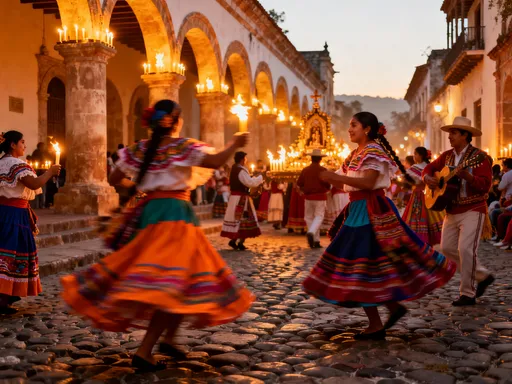
The cultural heartbeat of Pokhara pulses strongest during its festivals, when the city sheds its tourist veneer and becomes a vibrant tapestry of devotion, music, and communal celebration. Among the most significant are Dashain and Tihar, two national holidays observed across Nepal with deep religious and familial meaning. Dashain, which usually falls in late September or October, is the longest and most important festival in the Nepali calendar. It honors the victory of good over evil, particularly through the worship of the goddess Durga. In Pokhara, this period is marked by family reunions, ritual feasts, and the blessing of elders. Homes are cleaned and decorated, kites fill the sky, and the sound of drums echoes through narrow alleys as communities gather in temples and courtyards.
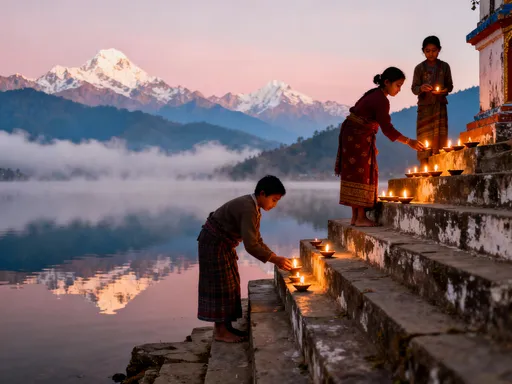
Tihar, celebrated just weeks after Dashain, is equally luminous in spirit. Known as the Festival of Lights, it spans five days and honors not only humans but also animals—particularly crows, dogs, and cows—each day dedicated to a different being. Homes glow with rows of oil lamps called diyos, pathways are adorned with colorful rangoli patterns, and families exchange sweets and garlands. In Pokhara, Tihar takes on a poetic beauty as the reflections of flickering lights dance across Phewa Lake, creating a dreamscape that feels both festive and sacred. The final day, Bhai Tika, celebrates the bond between brothers and sisters, a moment of affection and remembrance that resonates deeply with visitors lucky enough to witness it.
Beyond these widely celebrated festivals, Pokhara’s ethnic communities uphold their own traditions with quiet pride. The Tamang people, for instance, observe Sonam Lhosar with music, traditional dress, and special foods, marking the Tibetan New Year with joyful gatherings. The Gurung community celebrates Tamu Lhosar in a similar spirit, often with drumming, dancing, and communal feasts. These events are not staged for tourists; they unfold in neighborhoods, homes, and local temples. Yet, when approached with respect, outsiders are often welcomed. Attending such celebrations offers a rare glimpse into the layered cultural identity of Pokhara—one that is not monolithic, but a harmonious blend of beliefs, languages, and customs that have coexisted for generations.
Living Like a Local: Finding Your Rhythm
To truly absorb the spirit of Pokhara, one must step away from the transient rhythm of the average tourist and settle into the daily cadence of its residents. This begins with choosing where to stay. While Lakeside remains the most popular area for visitors due to its convenience and array of cafes and shops, other neighborhoods offer deeper immersion. Old Bazaar, one of the city’s oldest commercial districts, pulses with authenticity. Here, narrow lanes are lined with family-run spice stalls, metalworkers shaping utensils, and elders sipping tea at roadside benches. The atmosphere is unpolished but genuine, a place where daily life unfolds without performance.
Srijung and nearby residential areas provide another window into local living. These quieter zones are home to many Gurung and Magar families, and staying in a guesthouse or homestay here invites meaningful interaction. Family-run accommodations often include shared meals, opportunities to learn basic Nepali phrases, and invitations to join in household routines. One traveler recalled how her host mother taught her to roll dough for roti each morning, turning breakfast into a quiet lesson in care and tradition. These small moments, repeated over days, build trust and understanding far more effectively than any guided tour.
Daily rituals become anchors during a slow stay. Waking early to walk along Phewa Lake as mist rises from the water, visiting a neighborhood temple to observe morning prayers, or pausing at a roadside tea stall to chat with shopkeepers—these are the experiences that shape memory. There is no agenda, no ticking clock. Instead, there is presence. Over time, familiar faces emerge: the fruit vendor who remembers your preferred juice, the monk who nods in greeting each dawn, the children who wave shyly from their school gate. This gradual weaving into the social fabric is what transforms a visitor into a temporary member of the community. It is in these unhurried rhythms that Pokhara reveals its truest self—not as a destination, but as a place where life is lived with intention and warmth.
Beyond the Parade: Participating, Not Just Watching
One of the most profound shifts in slow travel is the transition from observer to participant. In Pokhara, this evolution happens naturally when visitors are invited—not as spectators, but as guests—into the heart of festival celebrations. The key lies in approaching these moments with humility and openness. During Tihar, for example, it is common for neighbors to visit one another’s homes, exchanging blessings and small gifts. If a host family extends this courtesy to a guest, accepting the offering of a tika (a colored dot applied to the forehead) or a plate of homemade sel roti is not merely polite—it is an act of connection. These gestures, though simple, carry deep cultural significance and signal mutual respect.
Participation can begin with small, thoughtful actions. Offering flowers at a temple, learning the proper way to greet elders with “Namaste” and a slight bow, or sitting quietly during a puja (prayer ritual) shows a willingness to engage on local terms. Music and dance are central to many festivals, and while joining a traditional drum circle or dance may feel intimidating, even clapping in rhythm or smiling encouragement can be meaningful. In one touching account, a traveler described being invited to help light diyos during Tihar. With the host grandmother guiding her hands, she placed each oil lamp along the courtyard’s edge, listening to stories of past celebrations and the symbolism behind the light’s protection against darkness.
Storytelling is another thread that binds festival moments together. Elders often share myths and family histories during gatherings, and listening with genuine interest is one of the greatest gifts a visitor can offer. In return, many families are eager to learn about their guest’s homeland, creating a quiet exchange of cultures. These interactions are not performative; they arise from shared humanity. When a traveler participates with sincerity—without treating traditions as entertainment—they become part of something larger. They are no longer outsiders looking in, but individuals held, however briefly, within the embrace of community. This is the essence of cultural travel: not to collect experiences, but to share in them.
Practical Magic: Planning a Festival-Centric Slow Trip
Designing a journey around Pokhara’s festivals requires thoughtful preparation, especially given that many events follow the lunar calendar and their dates shift each year. The first step is research. Reliable sources such as Nepal’s National Tourism Board, official cultural calendars, and trusted local travel organizations provide accurate information on festival timing. It is wise to confirm dates closer to the travel period, as local observances may vary by region. For example, while Dashain is celebrated nationwide, the exact start and duration can differ slightly between villages and cities.
Once dates are confirmed, flexibility becomes essential. Booking accommodations several months in advance is advisable, particularly for family-run guesthouses that fill quickly during peak festival seasons. However, maintaining some openness in the itinerary allows space for spontaneous invitations—such as joining a neighborhood puja or attending a village fair. Travelers who rigidly adhere to schedules may miss these unscripted moments, which often become the most memorable. Opting for refundable or flexible bookings ensures that one can adapt to changing plans without stress.
Transportation within Pokhara is relatively straightforward, with local buses, rickshaws, and walking paths connecting key areas. During festivals, however, streets may be closed for processions, and traffic can slow. Planning extra time for travel between locations prevents frustration. Packing should account for both the cool mountain climate and the need for modest, respectful attire. Layers are essential—mornings can be chilly, afternoons warm, and evenings crisp. For festival participation, clothing that covers shoulders and knees is appropriate, especially when visiting temples or attending religious events. Bringing a small gift, such as fruit or tea, to offer hosts is a thoughtful gesture that reflects appreciation.
Language barriers can be eased with a few basic Nepali phrases. Simple greetings, expressions of gratitude, and questions about food or directions go a long way in building rapport. Carrying a small notebook to exchange written words or drawings can also bridge communication gaps. With these practical steps in place, travelers create the foundation for a journey that is not only well-organized but also deeply receptive to the unexpected gifts of connection and culture.
Sustainable Celebrations: Traveling with Respect
As interest in cultural travel grows, so does the responsibility to engage with traditions in a way that honors rather than exploits them. In Pokhara, where festivals are deeply personal and spiritually significant, respectful behavior is not optional—it is essential. One of the most common concerns is photography. While capturing memories is natural, it is important to ask permission before photographing people, especially during prayer or private family moments. Some temples may prohibit cameras altogether, and signs or local cues should be heeded. When in doubt, a quiet gesture of inquiry is always appropriate.
Dress and demeanor also play a role in showing respect. Wearing clean, modest clothing during festivals signals awareness of cultural norms. Removing shoes before entering homes or temples is a universal practice in Nepal, and following this custom demonstrates care. Physical gestures matter too—avoiding loud conversations in sacred spaces, refraining from pointing feet at people or altars, and sitting respectfully during gatherings all contribute to a positive presence.
Equally important is supporting the local economy in meaningful ways. Instead of purchasing mass-produced souvenirs, travelers can seek out artisans selling handwoven textiles, metalwork, or painted thankas. Buying directly from makers ensures that income stays within the community. Dining at small, family-operated restaurants not only offers authentic flavors but also sustains local livelihoods. During festivals, when demand for food and supplies rises, choosing local vendors over international chains makes a tangible difference.
Avoiding performative tourism—where traditions are reduced to photo opportunities—is crucial. This means resisting the urge to treat rituals as entertainment or to insert oneself into ceremonies without invitation. True cultural exchange grows from listening, learning, and receiving with gratitude. When travelers approach festivals with humility, they become stewards of preservation rather than contributors to commodification. In doing so, they help ensure that Pokhara’s traditions remain vibrant, authentic, and protected for generations to come.
The Lasting Pulse: Why This Journey Stays With You
Long after the plane has taken off and the mountains have faded from view, something of Pokhara remains. It lingers not in souvenirs or photographs, but in the quiet moments etched into memory: the warmth of a shared meal during Tihar, the sound of bells echoing from a hilltop temple at dusk, the smile of a child handing you a marigold garland. These are not fleeting impressions; they are emotional imprints, shaped by time, presence, and human connection. Slow travel, especially when woven around festivals, does more than enrich a vacation—it transforms the traveler.
What makes this experience so enduring is the blending of natural beauty and cultural depth. The Himalayas inspire awe, but it is the people who give that awe meaning. To stand beside a local family as they light diyos and offer prayers is to witness resilience, faith, and joy in their purest forms. These moments dissolve the boundary between visitor and resident, creating a sense of belonging that transcends language and nationality. In a world that often feels hurried and disconnected, Pokhara offers a rare alternative—a place where time slows, hearts open, and the simple act of sharing a meal becomes sacred.
This kind of travel invites a fundamental shift in perspective. It challenges the notion that journeys must be packed with activities to be valuable. Instead, it champions depth over density, connection over consumption. It reminds us that the most meaningful experiences are not those we chase, but those we allow to find us—through patience, openness, and respect. For women between 30 and 55, many of whom balance caregiving, work, and personal renewal, such a journey offers not just escape, but reconnection—to culture, to nature, and to oneself.
So let this be an invitation: to plan not just a trip, but a transformation. To choose Pokhara not for its checklist of attractions, but for its capacity to welcome, to teach, and to hold space for quiet joy. To travel slowly, celebrate sincerely, and return home carrying not just memories, but a renewed sense of what it means to belong. Under the vast Himalayan sky, with festival lights glowing on the water and the sound of singing in the air, some moments don’t just pass—they stay, gently pulsing in the heart, long after the journey ends.