Why Mérida’s Festivals Will Steal Your Heart – A Real Traveler’s Take
You know that feeling when a place surprises you in the best way? That’s exactly what happened in Mérida, Venezuela. I went for the mountains but stayed for the celebrations. From vibrant processions to music spilling into the streets, the festival culture here is alive, authentic, and deeply rooted. If you're looking for more than just scenic views, this is your sign. Let me show you how to experience Mérida’s most colorful traditions—like a local, not a tourist.
First Encounter with Mérida’s Spirit
Stepping off the bus in Mérida, the crisp mountain air wrapped around me like a welcome hug. At over 5,000 feet above sea level, nestled in Venezuela’s Andean highlands, the city feels both serene and alive. Whitewashed colonial buildings with red-tiled roofs line quiet plazas, where elderly men sip coffee and children chase pigeons. The pace is unhurried, but there’s a quiet energy beneath the surface—one that reveals itself when the music starts.
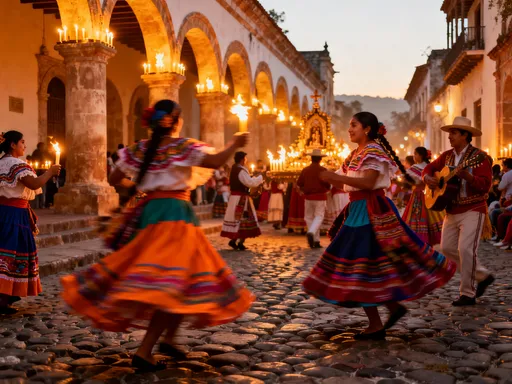
My first real taste of Mérida’s soul came unexpectedly. I had wandered into the Barrio El Llano, a residential neighborhood known more for its views than its nightlife. But on that Friday evening, the streets were lined with hand-painted banners, wooden stalls, and the scent of frying corn. A local festival honoring the patron saint of the barrio was in full swing. Children danced in traditional dress, their feet tapping to the rhythm of Andean flutes and drums. An elderly woman handed me a warm empanada, smiling as if we’d known each other for years.
What struck me most wasn’t the spectacle, but the authenticity. This wasn’t staged for visitors. No entry fee, no souvenir stands, no forced performances. It was a community gathering—families sharing food, neighbors singing together, teenagers laughing as they tried to master the steps of the *punto llanero*. In that moment, I realized Mérida’s magic wasn’t just in its landscapes, but in its people and their deep connection to tradition.
Fiesta de la Virgen de la Candelaria: Faith and Fireworks
Each year in early February, Mérida transforms in honor of the Fiesta de la Virgen de la Candelaria, one of the most important religious and cultural events in the region. Rooted in centuries-old Catholic tradition, the festival blends spiritual devotion with vibrant public celebration. The Virgin of Candelaria is revered as a protector of the Andean people, and her feast day is marked with processions, music, and communal gratitude that spills into every corner of the city.
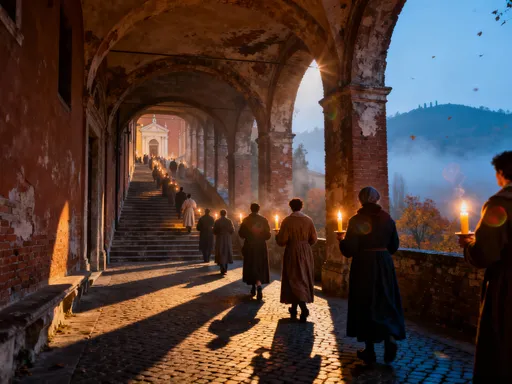
The centerpiece of the celebration is the candlelit procession through the historic center. As dusk falls, thousands of locals—many dressed in traditional woolen capes and wide-brimmed hats—walk in quiet reverence, holding flickering candles. The statue of the Virgin, adorned with flowers and ribbons, is carried on the shoulders of devoted parishioners. The air fills with the scent of incense and the sound of the *chirimía*, a traditional wind ensemble that has echoed through Andean towns for generations.
But solemnity quickly gives way to joy. After the main mass at the Catedral de Mérida, the city erupts in celebration. Streets become open-air fairs with vendors selling *arepas de horno*, sweet *quesillo*, and spiced *chicha*. Children dart through the crowds with sparklers, while musicians play folk tunes on *gaitas* and *cuatros*. Fireworks light up the night sky, their reflections dancing in the Andean peaks. It’s a powerful reminder that in Mérida, faith and festivity are not opposites—they are partners in community life.
What makes this festival especially moving is how seamlessly families pass down traditions. Grandparents teach grandchildren the lyrics to traditional hymns. Young couples attend mass together before joining the street dancing. The festival isn’t just a date on the calendar—it’s a living thread connecting generations. As a traveler, witnessing this continuity is both humbling and inspiring.
Carnaval Andino: When the Mountains Come Alive
If the Fiesta de la Virgen reflects reverence, then Carnaval Andino is its joyful counterpart. Held in February and March depending on the liturgical calendar, Mérida’s version of Carnival stands apart from the flashy, commercialized parades seen on the coast. Here, the celebration is deeply folkloric, rooted in rural customs, and pulsing with local pride. It’s less about spectacle and more about participation—where everyone, from toddlers to elders, becomes part of the performance.
One of the most unforgettable sights during Carnaval Andino is the *diablos danzantes*—dancing devils. Dressed in red and black costumes with horned masks, these performers move in synchronized steps to the beat of drums and flutes. Far from being frightening, they represent a symbolic battle between good and evil, a tradition that dates back to colonial times when enslaved Africans and Indigenous people reinterpreted Catholic themes through their own cultural lens. Watching them dance through the plaza, you feel the weight of history in every stomp.
Equally iconic is the city-wide water fight. Unlike the raucous foam parties in other countries, Mérida’s version is lighthearted and inclusive. Locals arm themselves with water balloons, sprayers, and even garden hoses, dousing friends and strangers alike in a spirit of fun. Children shriek with laughter as they ambush passersby, while vendors sell *guarapo*—a refreshing drink made from fermented sugarcane—to help everyone cool down. It’s chaotic, yes, but in the best possible way—a joyful release of energy that unites the community.
For visitors, the key to enjoying Carnaval Andino is preparation. Arrive early to secure a good viewing spot along Avenida Urdaneta, the main parade route. Wear clothes you don’t mind getting wet, and consider bringing a lightweight raincoat. While the festival is family-friendly, it draws large crowds, so staying in a central location or arranging transportation in advance is wise. Most importantly, don’t just watch—join in. Locals appreciate when visitors show interest, and dancing in the street, even awkwardly, is often met with cheers and encouragement.
Semana Santa in the Andes: Tradition Over Tourism
While many parts of Latin America see Semana Santa as a major tourist draw, in Mérida it remains a deeply personal and spiritual observance. The atmosphere is quieter, more reflective—less about crowds and more about contemplation. Processions move slowly through the streets, their silence broken only by the tolling of church bells and the occasional hymn. The air carries a sense of reverence, as families gather to honor the Passion of Christ through rituals passed down for generations.
One of the most powerful moments is the Good Friday procession, where life-sized statues depicting scenes from the Crucifixion are carried through the city. Participants walk barefoot or in simple sandals, some wearing hoods to signify penance. The route winds from the Basilica de Nuestra Señora del Valle to the Cerro El Vigía, where a dramatic reenactment of the Resurrection takes place at dawn on Easter Sunday. The climb up the hill, illuminated by candles and lanterns, is both physically and emotionally moving.
Unlike in more commercialized settings, there are few tourist-oriented events during Semana Santa in Mérida. Vendors are scarce, and the focus remains on participation rather than performance. This authenticity is precisely what makes the experience so profound. As a visitor, it’s essential to approach with respect. Dress modestly—avoid shorts, tank tops, or flashy clothing. Refrain from taking photos during solemn moments unless explicitly permitted, and always ask before photographing individuals. The best way to engage is to observe quietly, perhaps joining a mass at one of the historic churches.
For families traveling with children, this can be a meaningful opportunity to discuss themes of sacrifice, renewal, and community. While the tone is serious, the message is ultimately one of hope. And in the Andean highlands, where the sky feels close enough to touch, that sense of hope feels tangible.
Local Know-How: Navigating Festivals Like a Pro
One of the joys of traveling in Mérida is how accessible the festivals are—but a little local knowledge goes a long way. Transportation, in particular, requires some planning. During major events like Carnaval or the Fiesta de la Virgen, public buses and shared taxis (*por puestos*) can become overcrowded. To avoid long waits, consider booking a trusted local driver in advance or using ride-sharing apps if available. Walking is often the best option in the city center, where narrow streets limit vehicle access.
Accommodation choices can also shape your experience. While there are several modern hotels near the main plaza, staying in a family-run guesthouse (*posada*) offers a more immersive experience. Many of these are run by local women who prepare traditional breakfasts of *arepas con queso* and *café negro*. Not only does this support the local economy, but it also opens doors to personal invitations—perhaps to a backyard barbecue or a private music session with local musicians.
When it comes to food, Mérida’s festivals are a culinary delight. Street food is abundant, but safety matters. Look for stalls with high turnover, clean preparation areas, and vendors who use gloves or utensils. Must-try dishes include *empanadas andinas*, stuffed with cheese and potatoes, and *queso de mano*, a soft, fresh cheese often served with *pan de yuca*. For something heartier, try *pizca andina*, a soup made with chicken, corn, and Andean herbs. And don’t skip the *dulces típicos*—homemade sweets like *alfajores* and *cocadas* sold by grandmothers in the market.
Another pro tip: carry small bills. Many vendors don’t accept cards, and ATMs can run out of cash during peak festivals. Also, bring a reusable water bottle—Mérida’s tap water is generally safe, but filtered stations are available in parks and community centers. Staying hydrated is key, especially at high altitude.
Beyond the Party: The Cultural Roots Behind the Celebration
To truly appreciate Mérida’s festivals, it helps to understand their deeper roots. These celebrations are not just holidays—they are expressions of identity, born from the blending of Indigenous, Spanish, and African influences over centuries. The music, dance, and rituals you see today are not performances for tourists; they are acts of cultural preservation, passed down orally and through practice from one generation to the next.
Take the *chirimía* bands, for example. Their music, with its haunting melodies and rhythmic precision, has its origins in Spanish military bands but evolved through local interpretation. The instruments—shawms, dulzainas, and frame drums—are handmade, often by the musicians themselves. Similarly, traditional dances like the *punto* or the *zapateo* reflect both European folk styles and Indigenous rhythms, creating a unique Andean sound that can’t be heard anywhere else.
Language, too, plays a role. While Spanish is the dominant language, many elders still use words and phrases from the extinct Timoto-Cuica language, especially in songs and prayers. Storytelling remains a vital part of festival culture, with elders recounting legends of mountain spirits, miraculous healings, and historical events that shaped the region. These narratives aren’t just entertainment—they reinforce community values and collective memory.
For locals, festivals are a way to affirm who they are in a rapidly changing world. They resist homogenization, choosing instead to celebrate what makes Mérida unique. As travelers, we have a responsibility to honor that. This means more than just watching—it means listening, learning, and supporting local artisans, musicians, and families who keep these traditions alive.
How to Plan Your Visit: Timing, Budget, and Respect
Timing is everything when planning a trip around Mérida’s festivals. The busiest months are February and March, when both the Fiesta de la Virgen and Carnaval Andino take place. Booking accommodations and transportation three to four months in advance is recommended, especially if you’re traveling with family. For a quieter experience, consider visiting just before or after the main events—many celebrations extend into the surrounding towns, where crowds are smaller but traditions just as rich.
Budgeting for a festival trip doesn’t have to be expensive. While prices for lodging may rise during peak times, there are ways to save. Staying in nearby towns like Tabay or Jají and commuting by bus can cut costs significantly. Many festival events are free, and street food is both delicious and affordable—most dishes cost under $3. Local markets offer handmade crafts at fair prices, and bargaining is not expected, so your purchase directly supports the artisan.
Respect is the most important part of your budget. This means dressing appropriately for religious events, asking permission before photographing people, and being mindful of noise levels in residential neighborhoods. It also means supporting local businesses—buying from street vendors, eating at family restaurants, and hiring local guides. These small choices have a big impact, helping to ensure that tourism benefits the community rather than disrupts it.
Finally, be patient. Festivals in Mérida don’t run on strict schedules. Events may start late, routes may change, and plans may shift. Instead of seeing this as a problem, embrace it as part of the experience. Flexibility allows you to go with the flow, to accept an unexpected invitation, to discover a hidden celebration in a backyard or alleyway. That’s where the real magic happens.
Conclusion
Mérida’s festivals aren’t performances—they’re living traditions. They are born from faith, shaped by history, and sustained by community. To witness them is to glimpse the heart of the Andes, where culture isn’t preserved behind glass but danced in the streets, sung in the plazas, and shared over meals with strangers who quickly become friends.
This is travel at its most meaningful. It’s not about checking off landmarks or collecting photos. It’s about connection—between people, across generations, and with a place that welcomes you not as a spectator, but as a guest. By planning thoughtfully, engaging respectfully, and opening your heart, you don’t just see Mérida’s culture. You become part of it, even if just for a moment. And that’s a gift no souvenir can match.