You Won’t Believe How Alive the Streets Feel in Provence
Imagine sipping lavender-scented air while laughing locals play pétanque under ancient plane trees. In Provence, public spaces aren’t just sidewalks and squares—they’re the heartbeat of daily life. I wandered through sun-drenched village cores and stumbled upon moments so authentically French, they felt like stepping into a living postcard. This is more than travel—it’s connection, rhythm, and soul. Here, time doesn’t race; it lingers, like sunlight pooling on warm stone. Every alley, fountain, and café terrace pulses with quiet joy, where community isn’t built by design but by daily habit. This is a region where the streets themselves invite you in, not as a tourist, but as a temporary neighbor.
The Pulse of Village Squares
In Provence, the village square—often called la place—is not a decorative afterthought but the living room of communal life. These open-air rooms, typically shaded by towering plane trees, serve as the daily meeting ground for residents of all ages. From dawn until dusk, the rhythm of life unfolds here in predictable yet deeply comforting patterns. Morning begins with the soft clatter of metal chairs being set out by café owners, the rich aroma of espresso curling into the cool air. Shuttered windows creak open above, and housewives lean out with baskets, calling down orders to bakers below. The first rays of sun touch the fountain at the square’s center, its water already murmuring softly, a constant companion to the day’s unfolding.
By mid-morning, the square transforms into a marketplace hub. Farmers arrive with wooden crates of peaches, herbs still damp with dew, and wheels of goat cheese wrapped in cloth. Locals stroll with woven bags, exchanging greetings and news as they shop. Children dart between legs, chasing one another in laughter, while elders sit on stone benches, watching with indulgent smiles. There is no rush, no transactional coldness—just a steady hum of human presence. The architecture surrounding the square, with its ochre-hued stone buildings and flower-bedecked balconies, creates a sense of enclosure, as if the space itself is embracing those within it.
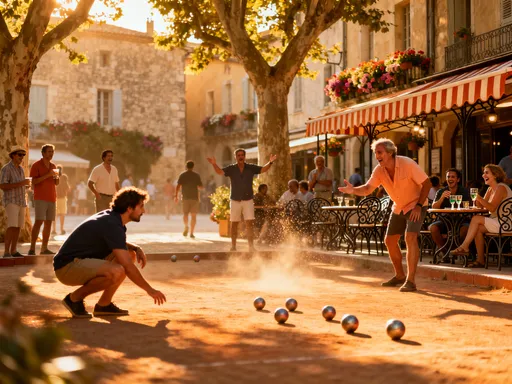
In the late afternoon, when the sun begins to soften, the square reawakens. Men gather for pétanque, their laughter punctuating the air as they toss the heavy metal balls across the packed earth. Onlookers sip rosé, offering playful commentary. Teenagers linger near the fountain, phones in hand but eyes often lifted, drawn into the scene. Even in smaller villages with populations under a thousand, the square feels full—not necessarily with numbers, but with presence. It is a place where solitude is welcome, yet connection is always possible. This is not urban planning as spectacle, but as sustenance.
What makes these squares so effective is their simplicity. They are not filled with flashy installations or commercial signage. Instead, they rely on timeless elements: shade, water, seating, and accessibility. There are no barriers between public and private life. A kitchen window opens directly onto the square; a shop door leads into a home above. This blending of domains fosters trust and familiarity. Over time, faces become known, routines recognized. The square becomes a mirror of the community’s soul—calm, resilient, and deeply rooted in the present moment.
Markets as Living Public Spaces
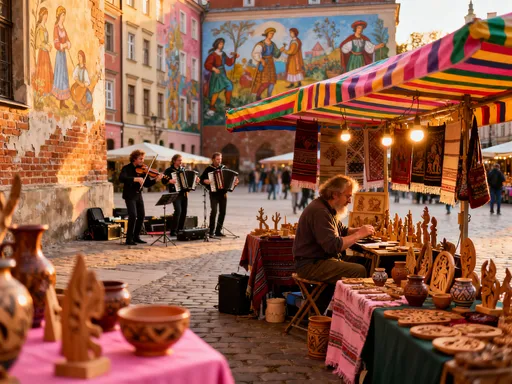
Weekly open-air markets are not merely shopping events in Provence—they are social rituals, full of color, sound, and movement. Towns like L’Isle-sur-la-Sorgue, Gordes, and Apt host markets that transform quiet streets into vibrant arteries of life every week. Stalls stretch across cobblestone roads, spilling onto sidewalks and even into small courtyards. The air fills with the scent of ripe melons, grilled sausages, and bundles of thyme and rosemary. Vendors call out their specials in melodic French, their voices weaving through the crowd like threads in a tapestry. Locals move with purpose, but never haste, stopping to touch a tomato, smell a cheese, or share a joke with a vendor they’ve known for years.
These markets are more than economic exchanges—they are cultural performances. Every basket filled, every coin handed over, carries the weight of tradition. Bartering is not aggressive but conversational, a dance of mutual respect. A woman might ask for an extra sprig of basil “for the soup,” and the vendor, smiling, tosses it in without charge. A child receives a sample of honey on a wooden stick, his grin wide and sticky. Tourists weave through the lanes, cameras in hand, but they are not excluded—they are absorbed into the flow, their presence adding to the energy rather than disrupting it.
What sets Provençal markets apart is their integration into the urban fabric. Unlike purpose-built shopping centers or isolated market halls, these are temporary transformations of everyday spaces. Streets normally used for passage become places of pause and interaction. Parking spots disappear under awnings; sidewalks expand into gathering zones. This impermanence is part of the charm—each week, the town reclaims its streets, reminding residents and visitors alike that public space belongs to the people. The market is not a spectacle to be watched but a rhythm to be joined.
The sensory richness of these markets deepens their emotional impact. The sound of a knife chopping herbs, the sight of lavender tied in purple bundles, the feel of a sun-warmed peach in hand—all create lasting impressions. These are not transactions but experiences. Even after the stalls are packed away and the streets swept clean, the memory of the market lingers, like the scent of garlic on a wooden cutting board. In a world increasingly dominated by digital commerce and sterile retail environments, the Provençal market stands as a testament to the enduring power of face-to-face exchange.
Rivers, Fountains, and Water’s Role in Shared Life
Water is not just a resource in Provence—it is a companion, a centerpiece, a source of life and leisure. From the gentle flow of the Sorgue River in L’Isle-sur-la-Sorgue to the countless village fountains carved from stone, water shapes the way people gather and move through public space. In summer, when the sun beats down with relentless intensity, these water features become natural gathering points. Elders sit on low walls beside fountains, fanning themselves and watching the world go by. Children, barefoot and giggling, dip their toes into shallow basins, careful not to splash too much. Couples pause for a quiet moment, their hands brushing as they lean over the cool stone edge.
The design of these fountains is both practical and poetic. Often placed at the heart of a square or at the intersection of narrow lanes, they serve as landmarks and meeting spots. Their constant gurgle provides a soothing background hum, softening the sounds of conversation and footsteps. Many are centuries old, their basins worn smooth by time and touch. Some are adorned with carvings of fish, flowers, or saints, linking the present to a deeper history. In villages like Fontaine-de-Vaucluse, the source of the Sorgue River bubbles up from the earth in a serene pool surrounded by willows, drawing visitors into quiet contemplation.
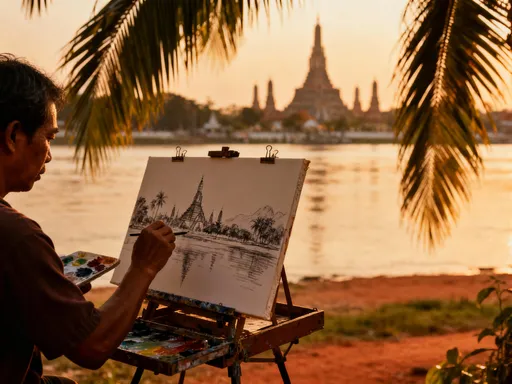
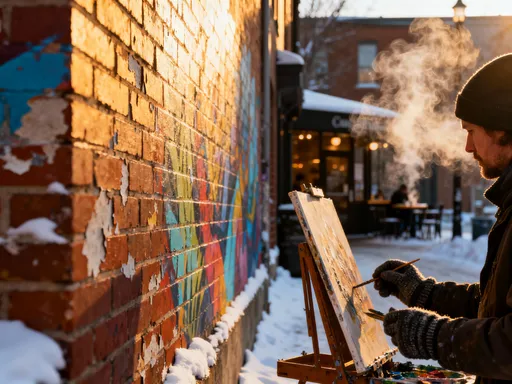
The Sorgue River itself is a masterclass in shared space. In L’Isle-sur-la-Sorgue, canals branch through the town like veins, their clear waters gliding beneath arched stone bridges. Along their banks, benches appear at regular intervals, inviting passersby to sit and linger. Artists set up easels, capturing the play of light on water. Couples stroll hand in hand, their reflections rippling in the current. On warm days, the sound of water dominates—the splash of a duck, the trickle from a mill race, the soft lap against moss-covered stone. This is not a river to be feared or fenced off, but to be lived beside.
The presence of water encourages a slower, more mindful pace. It draws people out of their homes and into the open, not for any particular purpose, but simply to be. This is especially true in the heat of July and August, when the air shimmers above the rooftops. A fountain is not just decorative—it is functional, offering psychological and physical relief. The combination of water, shade, and seating creates what urban designers call a “third place”—a space neither home nor work, but essential to well-being. In Provence, these third places are not luxuries; they are woven into the everyday fabric of life.
Café Culture and the Art of Lingering
Nowhere is the Provençal appreciation for slowness more evident than in its café culture. Sidewalk cafés are not just places to drink coffee—they are semi-public stages where life unfolds at a human pace. From morning until night, these outdoor terraces buzz with quiet activity. An older man sits with a newspaper and a small glass of wine at 10 a.m., reading slowly, turning pages with care. Two friends share a bottle of rosé in the afternoon, their conversation rising and falling like the breeze. A traveler sketches in a notebook, capturing the curve of a balcony or the shadow of a plane tree.
What makes these spaces so special is their accessibility. There is no pressure to order frequently or to vacate a table quickly. A single espresso can last for an hour, and no one minds. The waiter knows not to rush; the customer knows not to overstay in a way that feels rude. It is a delicate balance, maintained by unspoken social codes. The café becomes a living room for those without one, a meeting point for friends, a refuge for the solitary. In larger towns like Aix-en-Provence or Avignon, the café terraces spill into the streets, creating a continuous flow of public life.
The design of these spaces supports their social function. Tables are close enough for conversation but far enough for privacy. Chairs are simple but comfortable—often metal with woven seats, designed to last. Shade is provided by awnings, umbrellas, or the natural canopy of trees. The noise level is low: clinking glasses, murmured talk, the occasional burst of laughter. This is not a place for loud music or flashing lights, but for presence and observation.
For visitors, sitting in a Provençal café is an act of immersion. It is a chance to slow down, to watch, to listen. You begin to notice patterns: the baker who stops by every morning for a coffee, the dog that follows its owner from café to café, the elderly woman who always sits in the same corner with her knitting. These routines are not mundane—they are beautiful in their consistency. The café, in this context, is more than a business; it is a steward of public life, a quiet guardian of connection in an increasingly fragmented world.
Festivals and Seasonal Transformations of Space
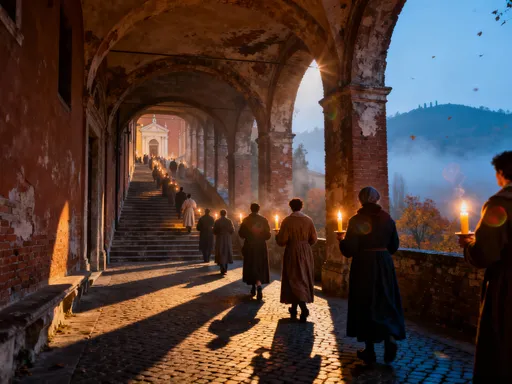
Throughout the year, Provençal towns come alive with festivals that temporarily reshape public space. These events are not staged in isolated venues but woven into the streets, squares, and alleyways, transforming the familiar into something magical. During the Fête de la Saint-Jean in June, bonfires are lit in village centers, their flames leaping into the night sky. Families gather around them, roasting sausages and singing traditional songs. The air fills with the smell of wood smoke and grilled meat, and children dart through the glow, their faces lit with wonder.
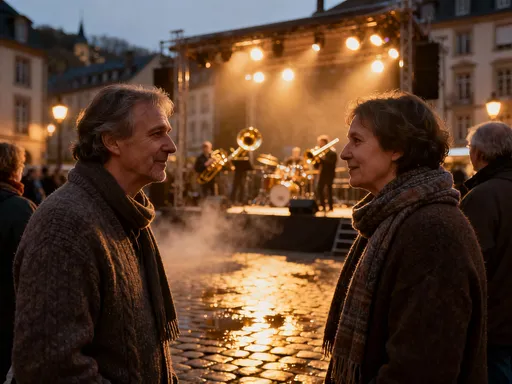
In summer, many towns host light shows that project art and history onto the walls of ancient buildings. In Avignon, the Palais des Papes becomes a canvas for storytelling, with images of medieval life, Provençal legends, and natural landscapes dancing across its stone façade. Streets are closed to traffic, and people wander freely, craning their necks upward, cameras in hand. Tables are set up for wine tasting, musicians play in small ensembles, and the entire town feels like one extended celebration. These events are not just for tourists—they are community affairs, planned and attended by locals who take pride in their heritage.
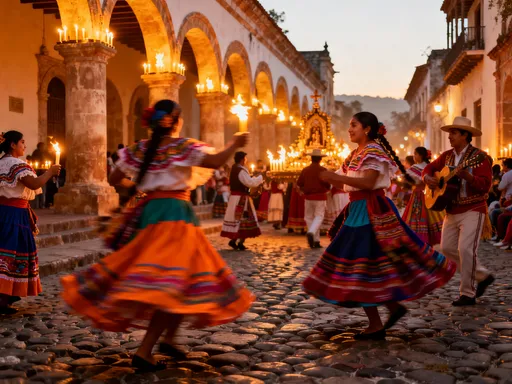
Harvest festivals in August and September celebrate the region’s agricultural abundance. In Gordes, the Fête de la Lavande honors the purple fields that define the landscape. Stalls sell lavender honey, soap, and sachets, while farmers demonstrate traditional distillation methods. Children participate in games, and folk dancers in regional costumes perform in the square. The streets, normally quiet, pulse with energy. Even the most reserved villagers seem to open up, smiling more freely, speaking more loudly.
These seasonal transformations reveal a deeper truth: that public space is not static. It can shift from marketplace to dance floor, from quiet square to festival ground, depending on the moment. This flexibility is intentional, built into the design of towns that prioritize people over vehicles. Narrow lanes, open plazas, and minimal signage make it easy to repurpose space without disruption. The result is a sense of ownership—residents do not just use these spaces; they animate them. Festivals are not escapes from daily life but amplifications of it, moments when the community’s spirit is made visible.
Urban Design That Invites Connection
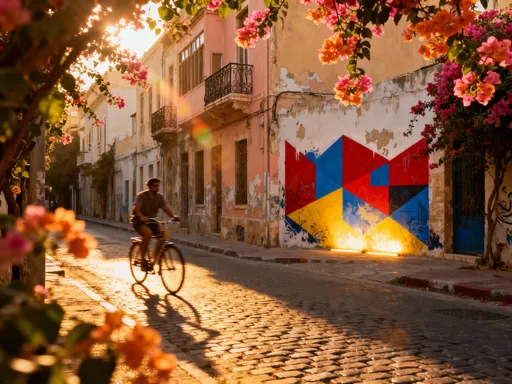
The magic of Provençal public life is not accidental—it is the result of centuries of thoughtful urban design. Towns in this region were built for people, not machines. Streets are narrow, shaded by overhanging buildings that block the harsh sun. Walls are thick, keeping interiors cool, and archways are draped with bougainvillea or jasmine, adding color and fragrance. Benches are carved directly into stone walls, appearing at natural resting points—after a steep climb, beside a fountain, or under a tree. These are not afterthoughts but integral elements of the built environment.
Walking is not just encouraged—it is inevitable. Cars are often restricted in town centers, parked on the outskirts or in hidden lots. This absence of traffic creates a sense of safety and calm, especially for children and the elderly. The pace of movement slows naturally, allowing for eye contact, conversation, and observation. Crosswalks are unnecessary because the streets themselves are shared spaces, where drivers yield to pedestrians and everyone moves with mutual respect.
Scale is crucial. Buildings are typically two or three stories high, creating a human proportion that feels intimate rather than imposing. Corners are rounded, alleys curve gently, and vistas open unexpectedly—around a bend, you might catch a glimpse of the Alps or a patch of lavender field. This sense of discovery keeps walking engaging. There are no long, monotonous blocks; instead, the urban fabric is rich with variation, inviting exploration.
Even the materials used—local stone, terracotta tiles, wrought iron—connect the towns to their surroundings. They age gracefully, gaining character over time. A chipped step, a weathered door, a rusted hinge—all speak of use and care. This authenticity resonates deeply with visitors, who often feel they are experiencing something real, not staged. The design does not shout; it whispers. It does not impress; it welcomes. In doing so, it fosters a sense of belonging that is rare in modern cities.
Lessons for the Modern World
As cities around the world grapple with isolation, stress, and disconnection, Provence offers quiet but powerful lessons. Its public spaces are not grand or expensive, but they are deeply effective. They prove that community does not require massive investment—just intention. The principles at work here—slowness, accessibility, human scale, and shared ownership—can be adapted anywhere, from suburban neighborhoods to dense urban centers.
One of the simplest lessons is the value of seating. Benches, walls, steps—any place where people can pause—invite lingering and conversation. Too many modern plazas are vast and barren, with nowhere to sit and nothing to do. In contrast, Provençal squares are filled with places to rest, encouraging people to stay, not just pass through. Similarly, the integration of nature—shade trees, fountains, flowers—makes public spaces more inviting, especially in hot climates.
Weekly markets, even on a small scale, can revive local economies and strengthen social ties. They create regular rhythms that bring people together, fostering familiarity and trust. Temporary festivals and street closures can transform car-dominated areas into spaces of joy and connection. These changes do not require rebuilding cities—just reimagining how existing spaces are used.
Perhaps the most important lesson is the value of slowness. In a world obsessed with speed and efficiency, Provence reminds us that some of life’s richest moments happen in the pauses—in a shared silence at a café, in the roll of a boule across sunlit earth, in the sound of water falling into a stone basin. These are not luxuries; they are necessities for a meaningful life.
The streets of Provence are alive not because of what they contain, but because of how they are used. They are spaces of encounter, of rest, of celebration. They belong to everyone and to no one in particular. In their quiet rhythm, we find a model for a more human way of living—one where connection is not an exception, but the norm. As we navigate an increasingly fragmented world, perhaps the answer is not to build higher or faster, but to sit longer, walk slower, and listen more closely to the life around us.