Portland’s Pulse in Slow Motion: Where Festivals and Quiet Corners Collide
You know that feeling when a city surprises you? Portland did exactly that. I went for the festivals—colorless, loud, alive—but stayed for the quiet moments between them. Slow travel here isn’t just a style; it’s a rhythm. From indie art crawls to riverside coffee breaks, I discovered how Portland’s celebrations don’t just fill the calendar—they shape the soul of the place. This is not a race. It’s a deep breath wrapped in rain and music. In a country often obsessed with speed, Portland offers a different kind of journey—one where the pulse of festivals beats in harmony with the hush of hidden gardens, neighborhood porches, and early morning mist over the Willamette River.
The Rhythm of Slow Travel in a Festival City
Slow travel is often misunderstood as simply staying longer in one place. But in Portland, it reveals itself as something deeper: a practice of presence. It means choosing to sit on a park bench for twenty minutes watching people pass by, rather than rushing from one attraction to the next. It means attending a festival not to check it off a list, but to absorb its texture—the laughter of children, the scent of grilled food, the way sunlight hits a parade float at just the right angle. Portland, with its calendar brimming with events, might seem like an odd fit for slow travel. Yet the city’s culture of inclusivity, creativity, and environmental awareness creates a natural rhythm that invites mindfulness.
Festivals here are not disruptions to daily life; they are woven into it. The city doesn’t shut down for events—instead, life expands to include them. This integration allows travelers to participate without feeling like outsiders. Whether it’s a small neighborhood block party or a citywide celebration, the atmosphere remains approachable and grounded. There’s no pressure to perform enjoyment. You can walk into a music festival, listen to a set, buy a locally made lemonade, and leave when you’ve had enough—no guilt, no rush. This ease is what makes Portland ideal for slow travelers who seek authenticity over spectacle.
What sets Portland apart is how its festivals act as anchors for deeper exploration. Attending the Rose Festival might lead you to visit the International Rose Test Garden on a quiet Tuesday morning. Hearing jazz in Waterfront Park during the PDX Jazz Festival might inspire a stroll through the Pearl District’s galleries. Each event becomes a doorway, not a destination. The city rewards curiosity and patience. It encourages you to return to the same park, café, or riverside path at different times of day and see how it changes. In this way, Portland teaches a different way of traveling—one that values continuity, observation, and quiet connection.
Spring’s Whisper: The Rose Festival and Its Hidden Moments
The Portland Rose Festival, held annually since 1907, is one of the city’s most enduring traditions. Spanning several weeks in late spring, it includes parades, fireworks, a fleet week, and the crowning of the Rose Festival Court. While these events draw thousands, the true magic of the festival often lies in its quieter corners. For the slow traveler, the Rose Festival is not about securing a front-row seat to the Grand Floral Parade, but about experiencing the city’s floral soul at a gentle pace. The festival’s roots lie in civic pride and the celebration of Portland’s nickname, “The City of Roses,” and this spirit still lingers in the way neighborhoods decorate porches and parks bloom with color.
One of the most peaceful ways to engage with the festival is an early morning walk through the International Rose Test Garden in Washington Park. Arriving before the crowds, when dew still clings to petals and the air is cool, transforms the experience into a meditation. Over 8,000 rose bushes in more than 600 varieties create a living mosaic of scent and color. Volunteers tend the garden with care, and docents are often available to share stories about heirloom roses and hybridization trials. This is not passive sightseeing—it’s a dialogue with nature and history. For families, the festival’s neighborhood parades offer a more intimate alternative to the large downtown events. These smaller processions, often organized by local schools or community groups, feature handmade floats, marching bands, and dancing groups, all moving at a relaxed, human scale.
Slowing down during the Rose Festival also means resisting the urge to do everything. Instead of attending every event, choose one or two that resonate and allow time to wander afterward. After the Starlight Parade, for instance, many visitors head home, but those who stay enjoy a unique cityscape—streets still lit with festive lights, families sitting on blankets, the distant hum of conversation. These in-between moments, when the official program ends but the feeling lingers, are where Portland reveals its true character. The festival isn’t just an event; it’s a mood, a collective breath held in appreciation of beauty and community.
Summer Beats: Music, Art, and the PDX Jazz Festival
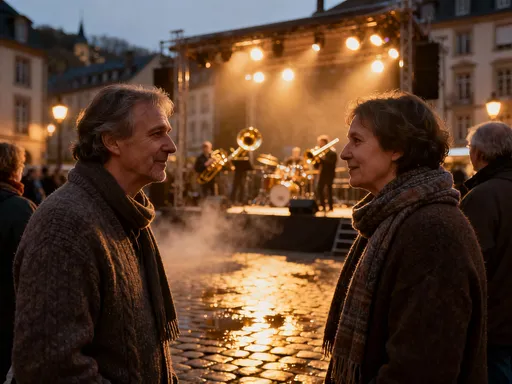
Music is the quiet heartbeat of Portland, and nowhere is this more evident than during the PDX Jazz Festival each summer. Lasting over ten days, the festival brings together local talent and internationally acclaimed artists in venues across the city. What makes it special is not just the quality of the music, but how it transforms public spaces into intimate gathering places. Concerts are held in parks, plazas, libraries, and even parking garages, turning the city itself into a stage. For the slow traveler, this decentralized format offers endless opportunities to stumble upon something unforgettable—a saxophonist playing under a canopy of trees, a vocalist weaving through a crowd, a spontaneous dance in the middle of a sidewalk.
The festival’s programming reflects Portland’s artistic diversity. While rooted in jazz, it embraces fusion, world music, and experimental sounds. Daytime events often feature lesser-known artists, creating a relaxed atmosphere perfect for discovery. These performances are not crowded or commercialized; they feel like invitations. Sitting on a folding chair in Tom McCall Waterfront Park, sipping coffee from a local roaster, listening to a quartet reinterpret a classic standard—these are the moments that define the Portland experience. The city’s support for the arts is evident in how seamlessly these events are integrated into daily life. There are no barriers, no VIP sections, no pressure to spend money. You can come and go as you please, letting the music guide your path.
For those seeking deeper engagement, many venues host pre-concert talks or artist meetups. These gatherings offer insight into the creative process and the history of jazz in Portland. Some local cafes even create special menus inspired by the performers—perhaps a cocktail named after a saxophonist or a pastry themed around a famous album. These small details enrich the experience, turning a simple concert into a layered encounter with culture. The festival also partners with neighborhood businesses, encouraging visitors to explore beyond downtown. A performance in the Alberta Arts District might lead to a visit to a mural-covered alley, a handmade jewelry shop, or a vegan bakery. In this way, the PDX Jazz Festival becomes more than a music event—it’s a map to the city’s creative soul.
Taste of the Season: Food Cart Festivals and Culinary Discovery
Portland’s food cart scene is not just a trend—it’s a way of life. With over 60 official pods scattered across the city, food carts are as essential to Portland’s identity as bridges and bicycles. Each cart is a small business, often run by immigrants or local entrepreneurs, serving dishes that reflect personal heritage and regional ingredients. Seasonal food festivals amplify this culture, bringing together dozens of vendors in one place for a weekend of tasting, sharing, and celebration. These events are not about gourmet indulgence; they’re about community, connection, and the joy of eating with your hands.
One of the most rewarding ways to experience a food festival is to slow down the act of eating. Instead of sampling ten dishes in two hours, choose one or two and take your time. Sit on a bench, watch the cooks work, and strike up a conversation. Many vendors are happy to share the story behind their recipes—how a grandmother’s recipe was adapted for Pacific Northwest ingredients, or how a fusion dish was born from a happy accident. These conversations transform a meal into a memory. At the Taste of Hawthorne or similar neighborhood festivals, the atmosphere is casual and inclusive. Children run between tables, dogs nap under chairs, and strangers share tables like old friends.
The seasonal aspect of these festivals adds another layer of meaning. In summer, you’ll find fresh berries in desserts, grilled vegetables, and cold-pressed juices. In fall, the menu shifts to apple ciders, roasted squash, and spiced nuts. These changes reflect the region’s agricultural rhythm and encourage visitors to eat with the seasons. Some festivals even partner with local farms, offering farm-to-table tastings or cooking demos. For families, these events are ideal—affordable, relaxed, and full of variety. Parents can find familiar comfort foods while introducing children to new flavors. The lack of formal seating and rigid rules makes the experience feel democratic and welcoming. In a world where dining is often rushed or performative, Portland’s food cart festivals remind us that eating can be simple, joyful, and deeply human.
Fall’s Quiet Glow: The Portland Japanese Garden’s Autumn Events
As summer fades, Portland turns inward. The pace slows, the light softens, and the city embraces the quiet beauty of autumn. Nowhere is this more evident than at the Portland Japanese Garden in Washington Park. Known for its meticulous design and serene atmosphere, the garden becomes especially poignant in fall, when maples turn crimson and golden. The garden hosts seasonal events that honor Japanese traditions, including moon-viewing ceremonies and tea gatherings. These are not large-scale festivals, but intimate experiences designed for reflection and presence.
The autumn moon-viewing event, or *tsukimi*, is a gentle celebration of nature’s cycles. Visitors gather in the evening to admire the full moon over the garden’s koi pond, accompanied by quiet music and traditional snacks like *dango* (sweet rice dumplings). There are no speeches, no performances, no crowds—just a shared moment of stillness. For the slow traveler, this is a rare opportunity to experience celebration without spectacle. The event encourages you to listen—to the rustle of leaves, the splash of water, the soft murmur of voices. It’s a reminder that not all meaningful moments need to be loud or eventful.
Tea ceremonies, held on select weekends, offer another window into Japanese aesthetics and mindfulness. Participants sit on tatami mats as a tea master prepares matcha with deliberate, graceful movements. Every gesture—from the folding of the cloth to the placement of the bowl—carries meaning. The experience is not about drinking tea quickly, but about being fully present in the ritual. For families, these events provide a peaceful alternative to more chaotic attractions. Children learn to sit quietly, observe details, and appreciate slowness. The garden itself becomes a teacher, showing how beauty can be found in simplicity, asymmetry, and impermanence. In a season often associated with harvest and abundance, the Japanese Garden offers a different lesson: that less can be more, and that silence can speak volumes.
Winter Light: The Holiday Ships and Peacock Lane Illuminations
Portland’s winter celebrations are not about grandeur or excess. They are modest, heartfelt, and deeply local. Two of the most beloved traditions—the Holiday Ships Parade and Peacock Lane—are perfect examples of this understated charm. The Holiday Ships event takes place on the Willamette River, where decorated boats sail from one end of the city to the other, lit up in festive displays. Unlike crowded waterfront spectacles in other cities, this event is best enjoyed from quiet riverbanks, neighborhood parks, or even a warm car with hot cocoa. There’s no need to arrive hours early or fight for space. Families spread blankets, wrap up in coats, and watch the lights glide by like floating constellations.
The experience is peaceful, almost dreamlike. The boats move slowly, their reflections shimmering on the water. Announcements are made over a radio frequency, so you can learn the names and stories of each vessel. Some are family boats decorated with handmade ornaments; others are commercial vessels joining in the fun. The lack of commercialization makes it feel authentic. For children, it’s magical without being overwhelming. For adults, it’s a chance to pause and appreciate the season’s quiet beauty. The event runs on select weekends in December, allowing visitors to plan around their own rhythm. You can come for fifteen minutes or stay for hours—there’s no pressure, no schedule to follow.
Peacock Lane, a residential street in the Sunnyside neighborhood, offers another kind of winter magic. For over seventy years, homeowners have decorated their houses with elaborate light displays, creating a tunnel of color and joy. The tradition began as a way to lift spirits during the Great Depression and has continued as a community act of kindness. Visitors walk the half-mile stretch at dusk, when the lights are most vivid. There are no tickets, no parking fees, no crowds controlled by barriers. People walk at their own pace, stopping to take photos, chat with neighbors, or simply stand in awe. Some homes play carols, others offer hot cider. The experience feels personal, like being welcomed into a private celebration. For the slow traveler, Peacock Lane is a reminder that the most meaningful traditions are often the simplest—those born from love, continuity, and the desire to share light in dark times.
Designing Your Own Slow Festival Journey
Creating a slow travel experience in Portland doesn’t require a rigid plan—only intention. Start by choosing a neighborhood as your base. Places like Sellwood, Irvington, or Woodstock offer easy access to parks, cafes, and local events without the density of downtown. Staying in a residential area allows you to live like a local, walking to corner stores, biking along quiet streets, and noticing how the community changes with the seasons. Use Portland’s reliable public transit—buses, MAX light rail, and streetcars—to move between districts without the stress of driving or parking.
When attending festivals, resist the urge to pack your schedule. Instead, pick one or two events that align with your interests and leave ample time for wandering. Arrive early or stay late to avoid peak crowds. Bring a reusable water bottle, a light jacket (rain is always possible), and a sense of curiosity. Talk to people—vendors, volunteers, fellow attendees. Ask about their favorite spots, their memories of the city, their reasons for participating. These conversations often lead to unexpected discoveries: a hidden garden, a family-owned bookstore, a quiet bench with a perfect view of the mountains.
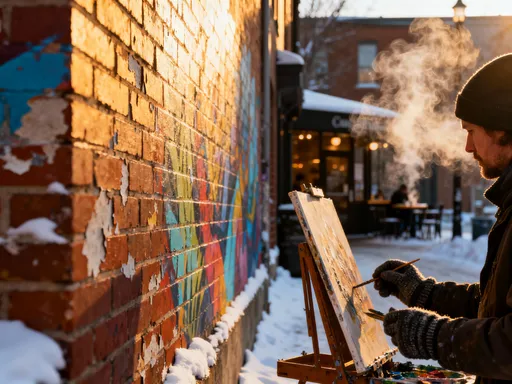
Balance is key. After a lively festival, spend an afternoon in a museum, a library, or a quiet café. Let your mind rest. Revisit a place you liked—maybe the rose garden, a food cart pod, or a riverside trail—and see how it feels at a different time of day. Take photos, but also put the camera away and just observe. Slow travel is not about documenting every moment, but about feeling them. It’s about noticing how light falls on a brick wall, how steam rises from a coffee cup, how laughter carries across a park. These small details, accumulated over time, form the true story of your trip.
Conclusion: Festivals as Heartbeats, Not Highlights
Portland does not shout. It whispers. Its festivals are not fireworks meant to dazzle and disappear, but steady pulses that sustain the city’s spirit. To travel here slowly is to learn a different way of celebrating—one that values presence over performance, connection over consumption, and quiet over noise. The Rose Festival, the PDX Jazz Festival, the food cart gatherings, the winter lights—they are not isolated events, but threads in a larger tapestry of community and place.
In a world that moves faster every year, Portland offers a counter-rhythm. It invites you to breathe, to linger, to listen. It teaches that the most meaningful travel experiences are not the ones you rush to capture, but the ones that quietly capture you. Festivals become not checklists, but entry points—into neighborhoods, conversations, traditions, and moments of stillness. They remind us that culture is not something we observe from a distance, but something we step into, share, and carry with us.
So come to Portland not for the spectacle, but for the story—the one the city tells, and the one you begin to write as you walk its streets, sip its coffee, and stand in the rain watching lights reflect on the river. Let the festivals be your guide, but let the quiet corners be your home. In the end, you won’t remember every note of music or every bite of food. You’ll remember how it felt to be there, fully, in a city that knows how to celebrate slowly.