It’s Not Just About Reading: How Tracking My Habits Helped Me Sleep Better and Feel Like Myself Again
You know that restless feeling—tossing in bed, mind racing about tomorrow’s tasks, even though you’re exhausted? I lived with it for months. I thought it was just stress. But when I started using a simple reading app not just to track books, but to notice patterns in my nighttime routine, everything shifted. It wasn’t the screen time itself—it was when and how I read that changed my sleep, my energy, even my mood. This isn’t about perfection. It’s about small, smart changes that actually stick. And the best part? It didn’t require willpower, expensive gadgets, or overhauling my life. Just a little awareness—and a tool that helped me see what I’d been missing.
The Nighttime Struggle That Felt Normal (Until It Wasn’t)
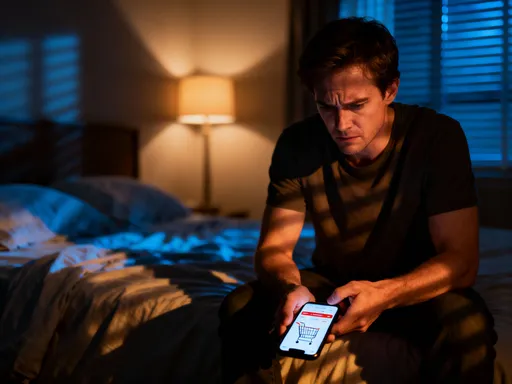
For years, I wore my tiredness like a badge of honor. Busy mom, full-time job, endless to-do lists—of course I was exhausted. That low-grade fog in the morning? Normal. Reaching for the second cup of coffee by 10 a.m.? Just how life was. And those nights when I’d finally crawl into bed, only to lie there staring at the ceiling, my brain replaying the day’s conversations and tomorrow’s deadlines? That was just part of being an adult, right?
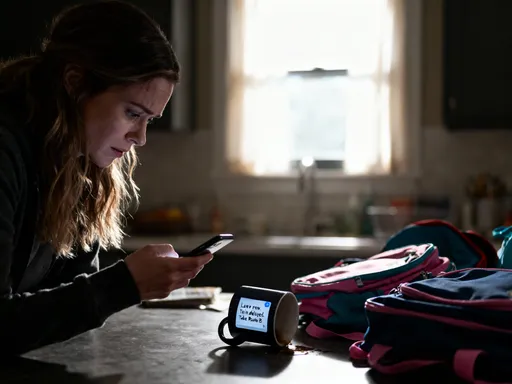
I told myself I was winding down by reading. I’d curl up with a novel, thinking it was my escape. But instead of drifting off, I’d end up reading until midnight. Then, the next morning, I’d hit snooze three times, drag myself out of bed, and start the day already feeling behind. My kids would ask, ‘Mom, why are you so quiet?’ and I’d force a smile. I wasn’t quiet—I was drained. And that constant fatigue started to chip away at the things that mattered most: my patience, my focus, even my joy.
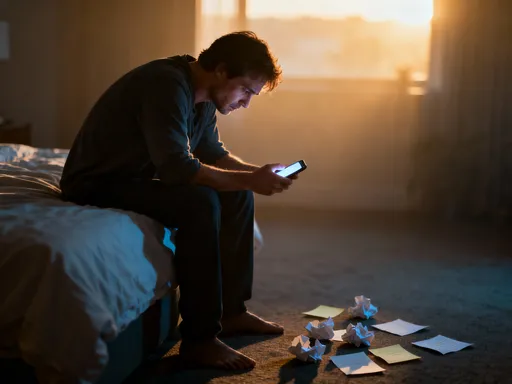
One evening, after snapping at my daughter over spilled juice—something I’d normally laugh off—I sat down and really asked myself: When was the last time I felt truly rested? The answer hit me like a wave. It had been months. Maybe longer. I wasn’t just tired; I was running on fumes, and I’d accepted it as normal. But deep down, I knew something had to change. I didn’t want to just survive each day. I wanted to feel present, alive, like myself again.
Discovering the Hidden Link Between Reading and Rest
I didn’t set out to fix my sleep. I just wanted to read more. That was my starting point. I’d always loved books, but between work and family, I barely finished one a month. So I downloaded a simple reading app—nothing fancy—to track what I was reading, how many pages, and how long I spent each day. I thought it would help me stay consistent. What I didn’t expect was how it would quietly start revealing patterns I’d never noticed before.
After a couple of weeks, the app generated a little weekly summary. One night, I was scrolling through it, and something caught my eye: on the days I read before 8 p.m., I usually fell asleep within 20 minutes. But on the nights I read in bed after 10 p.m., even if it was just one chapter, I’d stay awake for over an hour. Not only that, but my morning energy levels—something I’d started rating in the app—were consistently lower after late-night reading.
I started paying closer attention. Was it the light? The mental stimulation? The fact that I was reading in bed, a place my brain was supposed to associate with sleep? The app didn’t give me answers, but it gave me data—real, personal insights that I couldn’t ignore. It wasn’t the reading itself that was the problem. It was the timing and the context. That moment was a turning point. I realized I didn’t need to give up reading. I just needed to rethink how I was doing it.
How the Right App Becomes a Quiet Coach, Not a Taskmaster
Not all apps feel helpful. Some feel like drill sergeants, barking at you to ‘Keep your streak alive!’ or ‘You’re behind on your goal!’ I’ve tried them. And every time, I ended up feeling guilty, then quitting. But the app I was using didn’t feel like that at all. It wasn’t pushing me to read 50 books a year or shame me for skipping a day. Instead, it gently highlighted rhythms in my behavior—like a friend who quietly says, ‘Hey, I noticed something. Want to talk about it?’
One feature I loved was the ‘Calm Reading’ insight. It showed me that my most relaxed reading sessions—when I read without distractions, under warm light, and finished feeling peaceful—happened between 6 and 8 p.m. The app didn’t tell me to read more during that time. It just showed me the pattern. And that made all the difference. Knowledge, not pressure, became my motivator.
Another small but powerful feature was a soft reminder that popped up at 8:30 p.m.: ‘Time to wind down? Your best sleep follows early reading.’ No alarm, no flashing colors—just a gentle nudge. It felt thoughtful, not demanding. I began to trust it, not because it was perfect, but because it respected my pace. It wasn’t about performance. It was about awareness. And that shift—from tracking for achievement to tracking for insight—was what made the app feel like a true companion in my journey toward better rest.
Small Shifts, Big Results: Building a Better Evening Flow
Once I saw the patterns, I didn’t try to overhaul everything at once. I picked one small change: move reading out of bed. I set up a cozy chair in the living room with a warm lamp and a soft blanket. At first, it felt strange—like I was breaking a rule. But within days, I started looking forward to it. Reading in that chair became a ritual, a signal to my brain that the day was winding down.
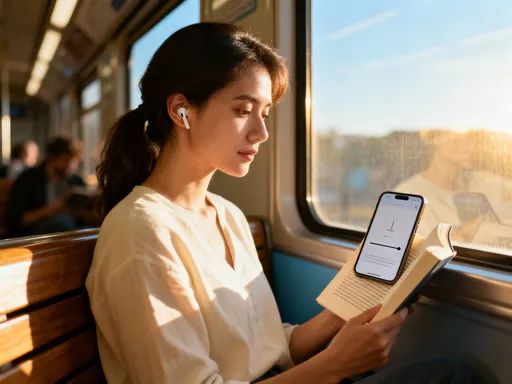
Next, I decided to switch from my tablet to a paperback after 8 p.m. I knew blue light could interfere with melatonin, but I’d always thought, ‘It’s just for a little while.’ The app helped me see that even small exposures late at night were affecting my sleep quality. So I made the switch. No rules, no guilt—just an experiment. And the difference surprised me. Without the glow of the screen, my mind felt calmer. I wasn’t as tempted to check emails or scroll through news. I was just… reading.
I also started using the app to plan my reading time like an appointment. Instead of reading whenever I could squeeze it in, I blocked 30 minutes after dinner. The app sent a quiet notification, and I’d know it was my time. This tiny structure gave me permission to pause, to step away from chores or screens, and just breathe. Over time, these small shifts added up. I was falling asleep faster. Waking up more refreshed. And for the first time in years, I wasn’t dreading the next day before it even began.
Beyond Sleep: How Better Nights Improved My Whole Day
When I first started this journey, I thought the goal was better sleep. And yes, that was huge. But what I didn’t expect was how deeply it would ripple into every part of my life. With more rest, I had more energy—not the jittery kind from caffeine, but a steady, quiet strength. I could focus during work calls without zoning out. I could listen to my kids without mentally planning dinner. I even found myself enjoying little moments: the steam from my morning tea, the sound of birds outside, the way sunlight hit the kitchen floor.
My mood shifted, too. I was less reactive. When the dog knocked over the trash—again—I laughed instead of groaning. When a meeting ran late, I didn’t spiral into frustration. I felt more balanced, more in control. And that sense of calm began to affect my relationships. I was more present with my family. I had the patience to help with homework, to really hear what my husband was saying, to enjoy a conversation without rushing to the next task.
I started noticing things I’d missed before—like how good it feels to wake up without an alarm, how much I love cooking when I’m not exhausted, how much clearer my thoughts are in the morning. Better sleep didn’t just fix my nights. It gave me back my days. It wasn’t a miracle. It was a slow, gentle return to myself—the version of me who smiles easily, who feels capable, who remembers how to enjoy life.
Making It Work for You: A Gentle Guide to Starting
If you’re reading this and thinking, ‘This sounds nice, but I don’t have time for another app or habit,’ I get it. I felt the same way. You don’t need a perfect system. You don’t need to track every minute or set big goals. You just need to start by noticing.
Here’s what I’d suggest: pick a simple reading app—something easy, free, and low-pressure. Use it for one week, not to read more, but to see when and how you read. Don’t judge yourself. Just observe. Notice if you read in bed, on the couch, or in a chair. Pay attention to the time of day. See how you feel afterward—calm? Wired? Sleepy? The app will help you collect that data without effort.
At the end of the week, look for one pattern. Maybe you read late and struggle to fall asleep. Maybe you read in the morning and feel more focused. Pick one small change based on what you see. Maybe it’s moving reading to an earlier time. Maybe it’s switching to a physical book at night. Maybe it’s just reading in a different spot. Try it for a few days. See how it feels. If it works, keep it. If not, try something else. This isn’t about getting it right. It’s about learning what works for you.
And remember—be kind to yourself. You’re not failing if you miss a day or read late sometimes. This isn’t about perfection. It’s about progress. The goal isn’t to become a reading machine or a sleep expert. It’s to feel more like yourself. And that starts with small, gentle steps.
The Real Win: Feeling More Like You, Again
We’re surrounded by technology that promises to change our lives—apps that claim to boost productivity, transform our health, or make us happier overnight. But the truth is, the best tools don’t try to turn us into someone else. They help us come back to who we already are.
For me, that meant rediscovering the simple joy of a good book, without the guilt or the exhaustion. It meant falling asleep peacefully, waking up with clarity, and showing up for my life with more presence and less stress. It wasn’t about reading more pages. It was about living more fully.
Technology, when used with intention, can be a quiet ally in our daily lives. It doesn’t have to be complicated or overwhelming. Sometimes, it’s just a gentle reminder, a little insight, a nudge in the right direction. And sometimes, that’s enough to shift everything.
If you’ve been feeling tired, scattered, or just a little disconnected from yourself, I want you to know: it’s not just you. And it’s not something you have to accept. Small changes—supported by simple tools—can lead to real transformation. You don’t have to do it all at once. You don’t have to be perfect. You just have to begin.
Because the life you want—the one where you feel calm, capable, and truly yourself—isn’t out of reach. It’s waiting for you, one quiet evening, one peaceful night, one good book at a time.