I’ll just buy it quickly — how shopping trackers saved me from clutter and regret
We’ve all been there — clicking “buy now” in the middle of a late-night scroll, only to regret it the next morning. I used to justify small purchases as harmless, until I realized they were adding up — in both cost and chaos. What if the same tools designed to tempt us could actually help us shop smarter? This is the story of how simple, practical tech quietly transformed my habits, my space, and my peace of mind. It wasn’t about cutting out joy or living with less for the sake of it. It was about making room for what truly matters — and finally feeling in control.
The "Harmless Click" Habit That Was Costing Me More Than Money
It started with a candle. Just a small lavender-scented one, marked down to $12.99 with free shipping. I wasn’t even looking for candles — I was winding down after putting the kids to bed, scrolling through a familiar shopping site, when there it was. “Add to cart.” One tap. “Buy now.” Done. I remember feeling a little buzz of satisfaction, like I’d treated myself. By morning, that glow had faded. The candle arrived two days later, still in its box, while three others sat half-burned on my bathroom counter. Why did I buy this? I already had candles. I didn’t even like lavender that much.
That moment stuck with me, not because of the money — though $13 is $13 — but because of the pattern it revealed. That candle wasn’t alone. There was a pair of yoga pants I never wore, a kitchen gadget I used once, a set of napkins with a print I didn’t love. Each purchase had felt small, justified, almost invisible. But together? They created clutter. Physical clutter, yes — drawers too full, shelves overflowing. But also mental clutter. That low hum of guilt when I opened a cabinet and saw something I didn’t need. The quiet shame of knowing I’d spent money I could’ve saved for something meaningful. I wasn’t reckless, but I was thoughtless. And thoughtlessness, over time, adds up.
I’d read about budgeting apps before. I’d even tried a few. But they felt rigid, like being scolded by a spreadsheet. They tracked my spending after the fact, showing me where I’d gone “wrong,” but they didn’t help me stop before I clicked. They focused on the numbers, not the behavior. What I needed wasn’t punishment — it was support. A gentle nudge, a moment to pause, a way to see my habits clearly without judgment. I didn’t want to feel guilty. I wanted to feel empowered.
Discovering the Right Tool: Not Another Budget App, But a Shopping Companion
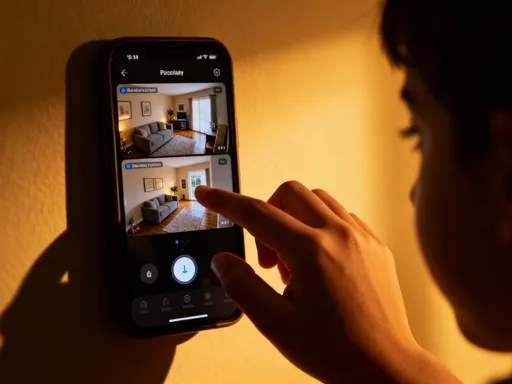
Then I stumbled on something different. Not a budget tracker, but a shopping tracker — a tool designed to sit between me and the “buy now” button. It wasn’t about restricting me. It was about understanding me. The app I started using let me save items from any website, not just one store. I could drop in that candle, those yoga pants, even a vacuum I was curious about, and keep them in one place. No pressure. No immediate cost. Just a digital “maybe” box.
What made it different was how it asked questions. When I saved an item, it would gently prompt: “Why are you saving this?” I could tag it — “gift,” “home,” “self-care,” “need,” “want.” Later, it would show me patterns. “You’ve saved 7 items tagged ‘impulse’ this week.” Or, “Your most-saved category is clothing — 68% marked ‘want’ not ‘need.’” It wasn’t shaming me. It was reflecting me back to myself. And that made all the difference.
The real game-changer? The delay feature. Instead of buying in the moment, I could set a rule: nothing gets purchased unless it’s been in my saved list for 24 hours. If I still wanted it after a day, fine. But if the urge had passed? Easy to let it go. I didn’t have to rely on willpower. The tool created space for better decisions. It felt less like a financial app and more like a wise friend whispering, “Are you sure? Let’s sleep on it.” And the best part? It fit into my life. I didn’t have to log receipts or categorize every coffee. I just saved what I was tempted by. Simple. Human. Effective.
How Waiting 24 Hours Became My Smartest Shopping Move
That 24-hour rule changed everything. At first, I thought I’d hate it. What if I missed a deal? What if the item sold out? But the truth was, most of the time, I didn’t care. The next morning, I’d open the app, see that lavender candle, and think, “Oh. That. No, I don’t need that.” The emotional high of the “find” had faded. The urgency was gone. And without that rush, I could see clearly. Do I really need this? Do I have something similar? Will this make my life better?
I started canceling saved items regularly. Not because I couldn’t afford them, but because I realized I didn’t truly want them. One week, I saved four different throws for the living room. After 24 hours, only one still felt right — a neutral knit that matched our couch. The others? Cute, but unnecessary. By not buying them, I saved $80 and avoided clutter. Another time, I saved a set of fancy steak knives. They looked beautiful online. But after a day, I admitted: we use our old knives just fine. Why fix what isn’t broken?
The delay didn’t just save money — it built confidence. I began to trust my own judgment more. I wasn’t denying myself. I was choosing myself. And when I did buy something after the wait, it felt different. More intentional. More satisfying. Like that one throw — I still love it. I use it every night. It brings me comfort. The others? They would’ve gathered dust. The 24-hour pause didn’t take away joy. It made room for the joy that lasts.
Organizing My Wants: From Scattered Desires to Clear Priorities
Before, my wants felt scattered — a shoe here, a book there, a gadget on another site. They popped up in ads, in my feed, in random late-night searches. There was no order, no sense of direction. It was like being pulled in a dozen directions at once. But once I started saving everything in one place, I could finally see the bigger picture.
I began grouping my saved items into categories. I created tags like “wardrobe refresh,” “kitchen upgrade,” “gifts for Mom,” and “home comfort.” Over time, I could look at each category and ask: What’s the goal here? For “wardrobe refresh,” I realized I didn’t need more clothes — I needed a few key pieces that fit well and made me feel confident. So I focused on quality over quantity. For “kitchen upgrade,” I noticed I kept saving small appliances, but what I really wanted was better storage. So I shifted my focus to drawer organizers and pantry bins — things that would actually improve my daily routine.
One of the most powerful features was the ability to set a goal for each category. For example, I set a $200 limit for “wardrobe refresh” over three months. Every time I added something to that list, the app showed me how close I was to the limit. It wasn’t about restriction — it was about intention. I could plan, save, and make thoughtful choices. And when I finally bought a new blazer after researching fit, fabric, and reviews, it felt like an achievement. Not a random purchase, but a step toward a clearer, more confident version of myself.
This shift changed how I saw shopping. It wasn’t an escape or a distraction anymore. It became a form of self-care — a way to invest in my home, my time, and my well-being. And because I was focused, I spent less time browsing and more time living. That’s a win I didn’t expect.
Sharing the System: How My Family Started Shopping with Purpose
What surprised me most was how this personal tool became a family practice. I started sharing my saved lists with my partner. At first, it was just to show him what I was thinking about buying. But then he started adding his own items. We created a shared list for “home projects” — a new patio set, a smart thermostat, a bookshelf. We could both see what the other was considering, comment, and decide together.
This small change reduced so much tension. No more duplicate purchases. No more surprises like, “Why did you buy another coffee maker?” We could talk through priorities. “Do we really need the patio set this year, or should we save for the vacation?” The app didn’t make the decisions — we did. But it gave us a calm, clear space to have those conversations. No pressure, no arguments. Just collaboration.
We even created a “gift hub” for birthdays and holidays. Instead of last-minute panic buys, we added ideas throughout the year. Our daughter started using it too — saving books, art supplies, and things for her room. She learned to wait, to compare, to think about what she really wanted. It became a teaching tool, not just a tracker. And when we did buy gifts, they felt more meaningful because they were chosen with care.
Shopping stopped being a solo, secretive habit and became a shared family rhythm. It wasn’t about control — it was about connection. We were building a home, not just buying things for it.
Clear Space, Clear Mind: The Unexpected Emotional Payoff
The physical changes were obvious. Fewer packages arriving. Less clutter on shelves and in drawers. A closet that actually closed. But the emotional shift? That was deeper. I started feeling lighter. Calmer. More in control. The constant low-grade anxiety about spending — the “should I have bought that?” — began to fade. Instead, I felt gratitude for what I already had.
I noticed I was more present. Instead of scrolling to fill a void, I’d read, call a friend, or just sit quietly. The urge to shop as a way to feel better didn’t disappear, but it lost its power. I had other tools now — real ones. A walk. A cup of tea. A conversation. And when I did treat myself, it felt earned, not impulsive.
There’s a quiet joy in owning less but cherishing more. That one throw on the couch? I notice it every night. The blazer I researched for weeks? I feel confident when I wear it. These aren’t just things — they’re reflections of my values, my time, my care. And that feels better than any quick click ever did.
I also started seeing money differently. Not as something to be feared or hoarded, but as a tool — one that could help me build the life I wanted. Every dollar I didn’t spend on an impulse buy became a dollar toward something meaningful: a family outing, a donation, a savings goal. That shift in mindset? Priceless.
Building a Calmer, Smarter Relationship with Technology — One Purchase at a Time
Here’s the irony: the same digital world that tempts us with endless “buy now” buttons can also help us resist them. Technology isn’t the enemy. It’s how we use it. When we let it run our lives, it can pull us into cycles of comparison, consumption, and clutter. But when we use it with intention, it can support us, guide us, and even calm us.
This journey wasn’t about perfection. I still save things I don’t end up buying. I still feel the pull of a good deal. But now I have a system — a simple, human-centered way to pause, reflect, and choose. It’s not about never treating myself. It’s about treating myself well. It’s about building a life that feels spacious, not stuffed.
And the most surprising part? I feel more connected — to my family, to my home, to myself. By slowing down my shopping, I sped up my joy. I stopped chasing little highs and started building lasting peace. That’s the real win. Not the money saved, though that helps. Not the clutter cleared, though that’s nice. But the quiet confidence that comes from knowing I’m in charge — of my choices, my space, and my life.
If you’ve ever clicked “buy now” and regretted it by morning, you’re not alone. And you don’t need a complicated system or a strict budget to change. You just need one small pause. One saved list. One moment to ask: Do I really want this? The answer might surprise you. And your future self — calmer, clearer, more content — will thank you for it.