From Overwhelmed to Effortless: How Shared Family Lists Brought Us Closer
Ever feel like you're the only one remembering everything—school forms, grocery runs, dentist appointments? You're not alone. I used to juggle sticky notes, texts, and mental checklists until our family felt more like a taskmaster than a team. Then we tried something simple: shared to-do lists. No fancy tech, just a small change that transformed how we connect. It didn’t just organize our days—it brought calm, clarity, and even joy to our routines. Here’s how it quietly changed everything.
The Breaking Point: When Family Life Felt Like a To-Do Whirlwind
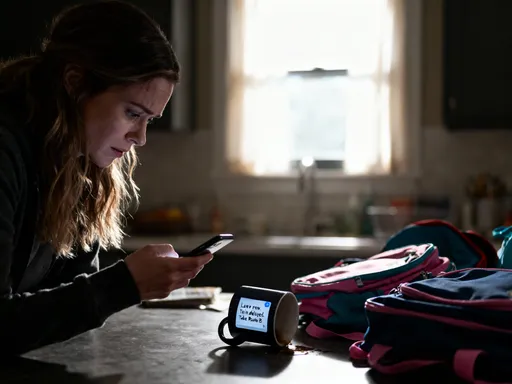
It was a Tuesday night, and the kitchen looked like a tornado had hit. Backpacks spilled onto the floor, one child was crying because her permission slip was missing, and the other was asking, again, if we had ketchup in the house. I stood at the stove, stirring pasta I’d already overcooked, trying to text my husband about a pickup he didn’t know he was responsible for. My phone buzzed—my mom, reminding me about my nephew’s birthday. I hadn’t even bought a card. That night, I snapped. Not at the kids, not at my husband, but at the chaos itself. I shouted, “Can someone please just remember something for once?”
The silence that followed was worse than the noise. My daughter looked at me with wide eyes. My son turned back to his iPad. I felt immediate regret. I wasn’t mad at them. I was overwhelmed. But in that moment, love got buried under the weight of logistics. We weren’t failing as parents or as a family. Our system was. We were relying on memory, fragmented texts, and last-minute panic. No wonder everyone felt disconnected. I realized then: I didn’t need to be stronger. I needed a better way to share the load.
That night, I made a list. Not on paper—on my phone. And for the first time, I didn’t keep it to myself. I sent it to my husband and typed, “Can you check if soccer gear is ready for tomorrow?” He replied with a simple “Done.” No drama. No reminder needed. And something small shifted. It wasn’t magic. But it was a start.
Discovering the Quiet Power of Shared Lists
The real change didn’t come from the list itself, but from what it represented: a shared responsibility. Before, I was the unofficial family manager—the one who remembered birthdays, who knew when the library books were due, who packed the extra sweater “just in case.” I wore it like a badge of honor, but it was exhausting. And honestly? It wasn’t fair.
When I first suggested a shared digital list, my kids looked at me like I’d proposed a family math test. “You want us to help remember stuff?” my daughter asked, half-joking. But I didn’t make it a chore. I made it a tool. We started with something simple: groceries. I created a shared list and showed everyone how to add items. My son added “chocolate milk.” My daughter put in “strawberries.” My husband, bless him, added “more coffee.”
But then something unexpected happened. The list became a conversation. “Do we need eggs?” “Wait, we’re out of bread?” “Can we try that new cereal?” It wasn’t just about food—it was about noticing what mattered to each other. And when I walked into the store with the list already updated by the whole family, I didn’t feel like I was carrying everything alone. I felt like we were in it together.
The emotional shift was real. I felt less resentful. My husband wasn’t guessing what I needed. The kids started to feel ownership. And the best part? No one had to ask me what was on the list. It was right there, on their phones, updated in real time. No nagging. No guilt. Just clarity.
Morning Mayhem to Smooth Start: Routines Transformed
Mornings used to be my least favorite part of the day. The alarm goes off. I wake up already behind. I call out, “Time to get up!” Five minutes later, “Are you dressed yet?” Then, “Where are your shoes?” “Did you pack your lunch?” “Don’t forget your water bottle!” By the time we got in the car, I was drained, and the kids were either silent or snapping. I wasn’t parenting. I was managing a crisis.
Then we created a shared morning checklist. Nothing fancy—just a list titled “School Day Ready” with simple items: clothes on, breakfast eaten, teeth brushed, backpack packed, lunch in bag, shoes by the door. We put it in the same app as our grocery list, so everyone could see it. The first night, I showed the kids how to check things off. “You mean I can do it myself?” my daughter asked. “Yes,” I said. “And when it’s done, I’ll know. No asking. No reminding.”
The next morning, I walked into the kitchen and saw my daughter with her finger on her phone, tapping the screen. “I already did my checklist,” she said, smiling. “Look—backpack packed, shoes by the door, lunch in bag.” I didn’t have to ask. I didn’t have to remind. And when she looked up and said, “You don’t have to worry about me anymore, Mom,” my eyes filled up. It wasn’t just about the list. It was about trust. She felt capable. I felt relieved.
Now, our mornings aren’t perfect. Sometimes someone forgets water. Sometimes breakfast runs late. But the energy is different. There’s less tension. Less shouting. More cooperation. And instead of starting the day stressed, we start it connected. That small list didn’t just organize our routine—it gave us back our peace.
Planning Family Time Without the Pressure
One of the biggest surprises of using shared lists? They don’t just help with chores—they help with joy. I used to dread weekend planning. “What should we do?” I’d ask. “I don’t know,” would be the chorus. “Whatever.” That flat energy made me feel like no one cared. But I realized: maybe they didn’t feel included.
So we made a new list: “Weekend Fun.” I created it in the same app and invited everyone to add ideas. My son put in “go to the park and fly a kite.” My daughter added “bake cookies together.” My husband typed “family movie night with popcorn.” I added “visit the botanical garden.” We didn’t decide right away. We just collected ideas.
Then, on Friday night, we gathered around the table—not to argue about plans, but to look at the list. “Ooh, I really want cookies!” my daughter said. “Can we do the park tomorrow?” my son asked. We voted with emojis—thumbs up, heart, star. We picked two things and marked them as “planned.” The excitement was instant. No pressure. No disappointment. Just shared anticipation.
What surprised me most was how the act of planning became part of the fun. The list wasn’t just a tool—it was a space where everyone’s voice mattered. And when we actually did the things on the list, it felt more meaningful because we’d chosen them together. It wasn’t my idea of fun. It was our fun. And that made all the difference.
Grandma Joins the List—and Our Lives
My mom lives two hours away, and while we talk often, I could tell she sometimes felt on the outside of our daily life. She’d ask, “How was school?” and I’d give a rushed answer. “Fine. Busy.” She wanted to be involved, but didn’t know how.
Then I added her to our family list. Not all of it—just a section called “Family Love.” I invited her to add things: recipes she wanted to share, birthday reminders, little notes like “Call Grandma on Friday” or “Send a photo of the garden.” At first, she was hesitant. “I don’t want to bother you,” she said. “You’re not bothering,” I told her. “You’re part of this.”
Then, one morning, I opened the app and saw a new item: “Don’t forget Lily’s spelling bee is Thursday.” Lily is my daughter. I had no idea my mom even knew about it. But she did. And she remembered. I felt a lump in my throat. That small reminder wasn’t just helpful—it was love in action.
Now, she adds recipes every week. “Try this apple pie—it’s your dad’s favorite.” She reminds us of family birthdays. She even suggests fun things: “Take the kids to the pumpkin patch!” When she visits, she brings printed copies of the recipes she shared. The list didn’t just keep us organized—it kept us close. And for her, it gave her a way to care, even from afar. Technology didn’t replace our relationship. It made it easier to show it.
The Unexpected Win: Teaching Responsibility Without Lectures
As a parent, I used to think teaching responsibility meant constant reminders, consequences, and yes—sometimes yelling. “If you forget your soccer gear one more time…” But here’s what I’ve learned: kids don’t need more lectures. They need opportunities to practice.
The shared list became that practice space. When my son forgot his soccer gear, instead of me being the angry reminder, he was the one who said, “I’ll add it to the list for next week.” No drama. No shame. Just a simple fix. And the next week? He checked the list before practice. He had his gear. He felt proud.
That moment taught me something important: tools don’t replace parenting—they support it. The list didn’t make me less involved. It made me less reactive. Instead of being the “rememberer,” I became the guide. “Did you check the list?” “What could we add so this doesn’t happen again?” These questions opened conversations instead of closing them.
My daughter started using her own section to track school projects. “I added the science fair date,” she told me. “And I put reminders for each step.” She wasn’t waiting for me to manage her time. She was learning to manage it herself. And that, to me, is the real win. We’re not raising kids who obey. We’re raising adults who can care for themselves—and others.
Making It Stick: Tips for Starting Your Own Family List
If you’re thinking, “This sounds nice, but my family will never go for it,” I get it. We weren’t early adopters either. But the key isn’t perfection—it’s starting small. Here’s what worked for us.
First, pick one shared goal. Don’t try to list everything at once. Start with groceries. Or school mornings. Or weekend plans. One thing that feels like a pain point. Make the list together. Show everyone how to add and check items. Use an app that’s simple and free—something with a clean design and easy sharing. We use one that syncs across phones and tablets, and lets us add emojis (my daughter loves adding a 🍓 next to strawberries).
Second, keep it positive. This isn’t about policing. It’s about helping. Celebrate when things get done. “Look, we all remembered library books this week!” A little recognition goes a long way. Let kids decorate their sections. Let your partner add silly items. Keep it light.
Third, have a weekly check-in. Five minutes on Sunday night. Look at the list together. Add new things. Remove what’s done. Talk about what’s coming up. It’s not a meeting—it’s a moment of connection. We do it with hot chocolate. It’s become something we look forward to.
And finally, be patient. Some days, no one updates the list. Some days, someone forgets. That’s okay. The goal isn’t a perfect checklist. It’s a stronger family. Consistency matters more than perfection. And once it becomes a habit, you’ll wonder how you ever lived without it.
More Than Tasks—It’s How We Care
When I look back at that chaotic Tuesday night, I don’t just remember the shouting. I remember the turning point. I remember realizing that love isn’t measured by how much I can carry alone. It’s measured by how well we carry things together.
Our shared list isn’t just a tech tool. It’s a daily act of care. Every time someone adds “milk” to the grocery list, they’re saying, “I’m thinking of what we need.” Every time a child checks off “packed backpack,” they’re saying, “I’ve got this.” Every time my mom reminds us of a birthday, she’s saying, “I’m still here. I still care.”
This isn’t about productivity. It’s about presence. It’s about creating a family culture where everyone belongs, where no one is left out, where love shows up in the small things. We’re not just getting things done. We’re building a life where we feel seen, heard, and supported.
So if you’re feeling overwhelmed, if you’re tired of being the only one who remembers, I invite you to try something small. Start a list. Share it. Let it grow. You might be surprised how such a simple thing can bring your family closer. Because in the end, it’s not the tasks that matter most. It’s the togetherness. And that’s worth every checkmark.