I’ll just buy it later" became my spending trap—until I trained my phone to say no
We’ve all been there—walking past a café, seeing a tempting sale, or adding one more thing to the cart “just because.” I used to tell myself, *“I’ll remember to skip this next time,”* but that promise never lasted. What changed wasn’t willpower—it was using an expense-tracking app that quietly reshaped my habits. It didn’t judge or nag; it simply showed me patterns I’d ignored. Over time, shopping stopped feeling impulsive and started feeling intentional. This isn’t about strict budgets—it’s about building a smarter, calmer relationship with spending. And honestly, it didn’t feel like a big decision at first. Just a tiny tap on my phone. But that small act? It changed everything.
The Moment I Realized My Habits Were Running on Autopilot
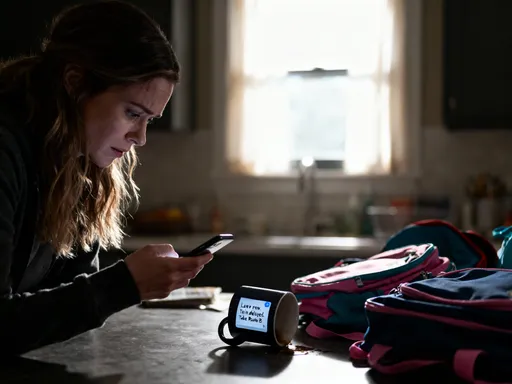
It was a rainy Thursday afternoon, and I was in a store I hadn’t planned to enter. My daughter’s school event had been canceled, my to-do list was piling up, and I needed a break. I wandered into a home goods shop near the mall, drawn in by the warm lighting and soft music. Before I knew it, I was holding a $38 candle—lavender and sandalwood, beautifully packaged, promising calm and serenity. I didn’t need it. I already had three unopened candles at home. But I told myself, “It’s just one little thing. I’ll balance it out later.”
Standing in line, phone in one hand, candle in the other, I caught my reflection in the glass display. I looked tired. And suddenly, it hit me: this wasn’t the first time I’d done this. Not even close. I’d been here before—with a scarf I never wore, a kitchen gadget I forgot how to use, a book I never opened. These weren’t splurges. They were tiny leaks in a bucket I was trying so hard to fill. And every time, I promised myself I’d “think about it later,” but later never came. The impulse won, and the regret followed.
That moment wasn’t dramatic. No alarm bells rang. But it was deep. I realized my spending wasn’t about money—it was about emotion. I was using small purchases to soothe stress, to reclaim a sense of control, to feel like I was treating myself. But the relief was fleeting, and the cost was real. I walked out of the store with the candle, yes—but I also walked out with a quiet determination. I didn’t need more willpower. I needed a system. Something that could see what I couldn’t, something that could help me pause before I acted. I just didn’t know what that looked like yet.
Why Willpower Fails (And What Actually Works)
We’ve all been told that if we just try harder, we can stop overspending. “Be more disciplined,” “just say no,” “stick to your budget.” But here’s the truth I’ve learned: willpower is not a reliable tool. It’s like trying to hold your breath underwater—you can do it for a little while, but eventually, your body takes over. Our brains are wired to seek comfort, especially when we’re tired, stressed, or overwhelmed. And shopping? It’s designed to feel good. Bright colors, limited-time offers, the instant gratification of clicking “buy now”—it’s all engineered to bypass logic.
What I discovered is that the real issue wasn’t lack of discipline—it was lack of awareness. I wasn’t making bad choices on purpose. I just wasn’t seeing the full picture. I’d forget the $12 smoothie here, the $25 online order there, the $8 parking fee that added up over time. These weren’t big numbers, but together, they were shaping my financial reality. I needed a mirror, not a scolding voice.
That’s when I started looking into expense-tracking apps. I didn’t want anything complicated—no spreadsheets, no manual calculations. I wanted something simple, something that could run quietly in the background of my life. And when I found one that automatically synced with my bank account and categorized my spending, it felt like someone had turned on a light in a dark room. I could finally see where my money was going. Not in a judgmental way, but in a “huh, that’s interesting” kind of way. The app didn’t shame me. It just showed me the truth.
And that truth was powerful. Seeing that I’d spent $120 on coffee in a month wasn’t a failure—it was data. It was a clue. It told me that on busy mornings, when I was rushing the kids to school and hadn’t slept well, I was more likely to stop for a latte. The app didn’t stop me from buying it, but it made me pause. It created space between the impulse and the action. And in that space, I could ask myself: “Do I really want this, or am I just running on autopilot?” That’s when real change began.
Choosing the Right App: Less Stress, More Clarity
Not all apps are created equal. I tried a few at first—some were too complicated, with charts and graphs that felt like homework. Others sent constant notifications that made me feel guilty, like a financial drill sergeant yelling at me from my pocket. I didn’t want to feel bad about my money. I wanted to understand it.
The one I stuck with was different. It was clean, simple, and smart. It connected to my bank securely and updated every time I made a purchase. I didn’t have to log anything manually—no typing in receipts or guessing categories. It automatically sorted my spending into things like “Groceries,” “Dining Out,” “Shopping,” and “Bills.” And once a week, it sent me a gentle summary: “You spent $65 on coffee this week—up 15% from last week.” Not accusatory. Just factual. Like a friend quietly pointing something out.
What I loved most was how unobtrusive it was. It didn’t demand my attention. It didn’t make me feel like I was under surveillance. It was more like a helpful assistant who tidied up my financial life without making a fuss. I could check in when I wanted to, but I didn’t have to. And that made all the difference. I didn’t feel like I was being watched—I felt supported.
I also appreciated that it didn’t push me toward extreme frugality. It didn’t tell me to stop buying coffee or cancel my streaming subscriptions. It just showed me the numbers. And from there, I could decide what felt right for me and my family. That sense of control—of being in charge of my choices—was incredibly empowering. It wasn’t about restriction. It was about clarity.
Turning Data Into Daily Awareness
At first, I thought tracking every expense would feel tedious. But it quickly became a habit—like brushing my teeth or checking the weather. Every night before bed, I’d spend two minutes reviewing my day’s spending. Not because I had to, but because I wanted to. It became a moment of reflection, a tiny pause in my day where I could ask, “How did I use my money today? Did it align with what matters to me?”
What surprised me most was how much I started to notice. I saw that on days when I felt overwhelmed, I was more likely to order takeout or click “buy now” on something I didn’t need. I noticed that weekends meant more dining out, more impulse buys at the mall. And I saw that small, repeated purchases—like that $4 coffee—added up faster than I ever realized.
But here’s the thing: the app didn’t change my behavior overnight. It didn’t magically stop me from wanting to treat myself. What it did was give me awareness. And with that awareness came choice. Instead of reacting to a craving or a stressful moment, I could pause and decide. “Do I want this because I truly enjoy it, or because I’m trying to feel better right now?” That question changed everything.
Over time, I started making different choices—not because I was forcing myself, but because I was more in tune with my values. I realized that I didn’t miss the things I stopped buying. What I gained—peace of mind, less financial stress, more intentionality—was worth far more. The app didn’t take away my joy. It helped me find it in better places.
Rewiring My Shopping Experience
Shopping used to feel like a trap. I’d go in with good intentions, but end up buying things I didn’t plan for. Now, it feels different. I still shop—of course I do. I love finding a great deal, a thoughtful gift, or a cozy sweater for winter. But now, it’s a choice, not a reflex.
Here’s what changed: before I go into a store or open a shopping website, I check my weekly spending summary. It takes ten seconds. That small act creates a pause, a moment of mindfulness. It’s like putting on a pair of glasses that help me see more clearly. I can ask myself, “Is this something I’ve been planning for? Does it fit into my week? Am I buying this because I want it, or because I’m bored, tired, or stressed?”
Sometimes, the answer is yes—I go ahead and buy it. And that’s okay. I still treat myself. But now, it feels intentional. I’m not hiding the purchase or feeling guilty afterward. I’m making a conscious decision, and that makes all the difference.
I’ve also started using the app to plan for things I really want. Instead of impulsively buying a new handbag, I’ll add it to a “wish list” in the app and set a savings goal. Watching the balance grow each week feels exciting—like I’m building something. And when I finally buy it, it feels earned, not reckless. The joy is deeper because I waited, because I chose it with care.
How My Family Noticed the Change
One of the most unexpected benefits was how it improved my relationship with money—and with my family. My partner started noticing that there were fewer surprise charges on our credit card statement. No more “Where did this $50 come from?” moments. And instead of tense conversations about money, we began having calm, thoughtful ones.
One evening, over dinner, he said, “You seem less stressed about money lately.” I smiled and told him about the app, how it helped me see patterns and make better choices. I didn’t pressure him to use it, but a few weeks later, he downloaded it too. Now, we check our weekly summaries together. We talk about what we spent, what we’re saving for, and how we’re doing as a team.
We even set a shared goal: a weekend getaway to a cozy cabin in the mountains. We created a savings category in the app, and every time we avoid an impulse buy, we transfer a little extra into that fund. Watching the number grow has been incredibly motivating. It’s not about cutting back—it’s about building something we both care about.
Our kids have noticed too. They see us talking about money in a calm, positive way. We’re not hiding receipts or whispering about bills. We’re showing them that money isn’t scary—it’s a tool. And when they ask for something, we can say, “Let’s see if it fits into our plan,” instead of just saying no. It’s teaching them mindfulness, too.
Small Tech, Lasting Shifts: A New Normal
Today, my relationship with money feels different. I don’t dread checking my balance. I don’t feel shame when I spend. Instead, I feel in control. The app didn’t make me perfect—I still treat myself, I still make mistakes. But now, I’m aware. I’m present. And that awareness has brought a kind of peace I didn’t know was possible.
The real win wasn’t just saving money. It was gaining clarity. It was learning to pause before acting. It was realizing that small, repeated choices shape our lives in ways we don’t always see. And it was discovering that technology, when used wisely, can support the person you’re trying to become.
I used to think I needed more discipline. But what I really needed was a little help seeing the truth. The app didn’t change my life by restricting me. It changed my life by illuminating the path. It didn’t say no for me—it helped me say yes to what truly matters.
So if you’re standing in a store right now, holding something you don’t need, telling yourself, “I’ll think about it later,” I get it. I’ve been there. But what if “later” never comes? What if, instead, you gave yourself a tool that helps you see clearly, choose intentionally, and live with more peace? It’s not about never treating yourself. It’s about making sure every purchase feels like a choice, not a compromise. And that? That’s freedom.